
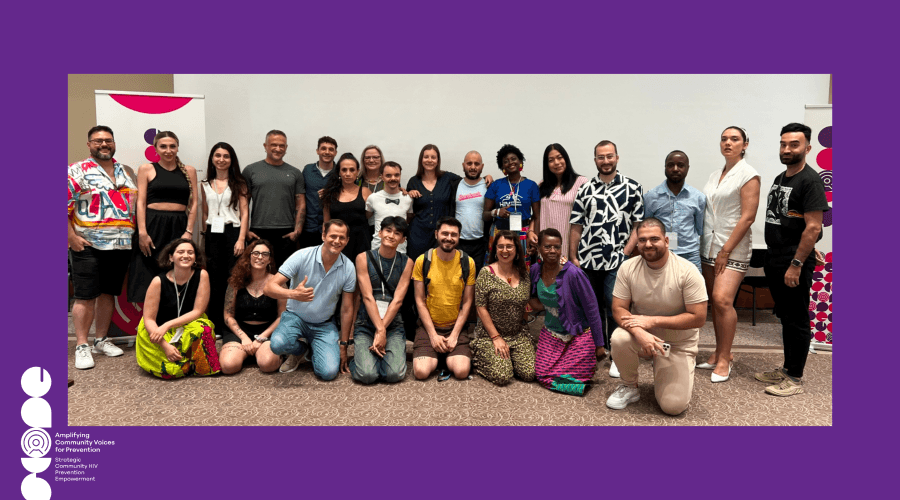
In its second funding cycle, EATG’s SCOPE project –Amplifying Community Voices for Prevention resumed activities from November 2024 to June 2026, partnering with community representatives to build capacity for delivering and advocating for community-led, integrated HIV prevention services. SCOPE strengthens community engagement at local and regional levels to reduce the gap in access and use of HIV combination prevention interventions by populations that are most affected by HIV, but which remain inadequately served by the health system and which are underrepresented in policy and public debate.
Working with the Community Expert Group and EATG Members, the project implemented capacity-building initiatives, fostered networking and awareness-raising spaces, and supported the creation and adaptation of community-informed communication materials and advocacy tools.
Learning and Networking: Building Community Capacity and Exchange
Webinars and workshops
In May and July 2025, EATG organised two community learning and advocacy meetings focused on advancing awareness and equitable access to combination prevention tools for HIV and other STIs.
The webinar provided crucial updates on:
- New and promising tools for HIV prevention;
- HIV prevention research in transgender communities, with a focus on HIV risk in neovaginas in transgender women.
The webinar reminded the vital need for inclusive studies to better understand and address specific vulnerabilities of our communities and ensure equitable access to effective interventions.
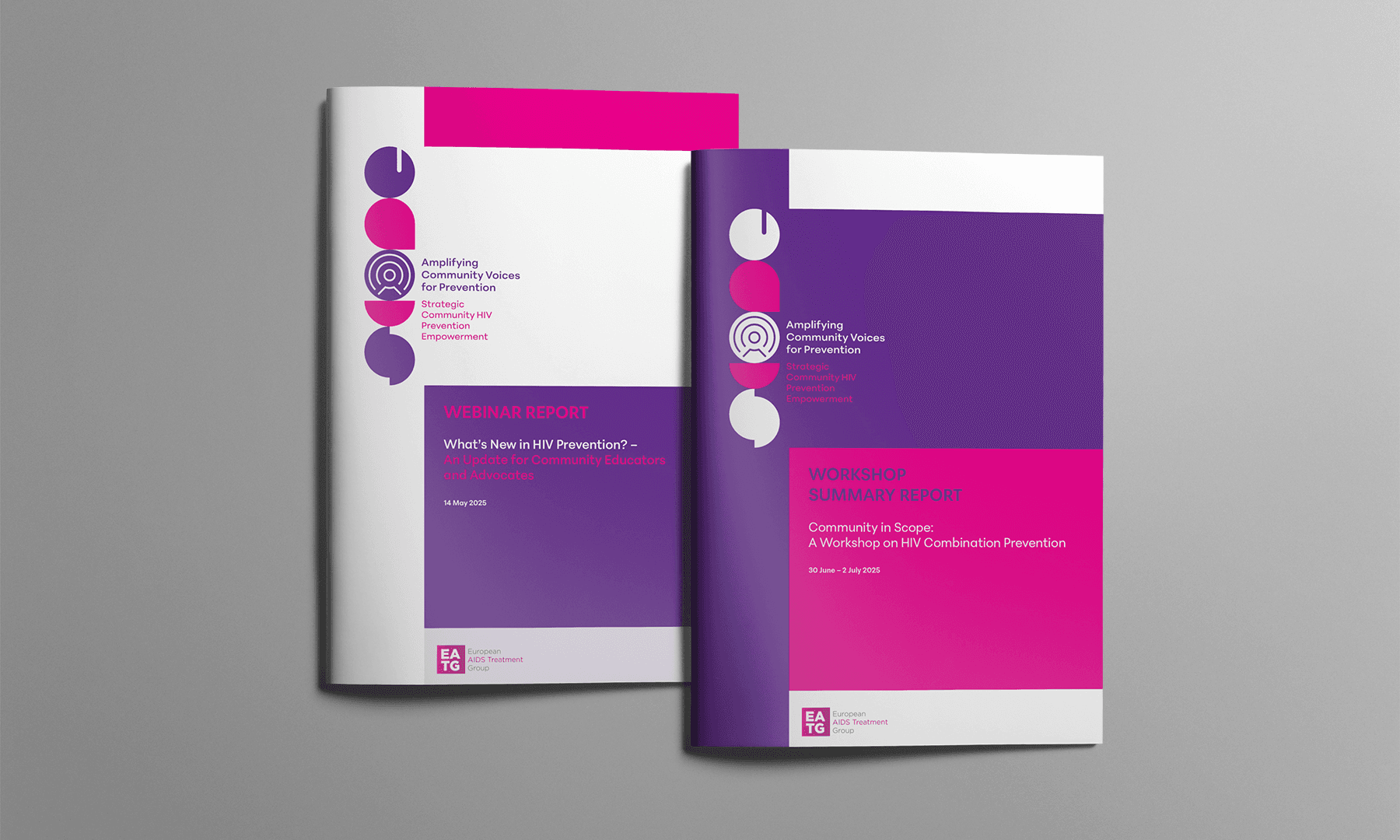
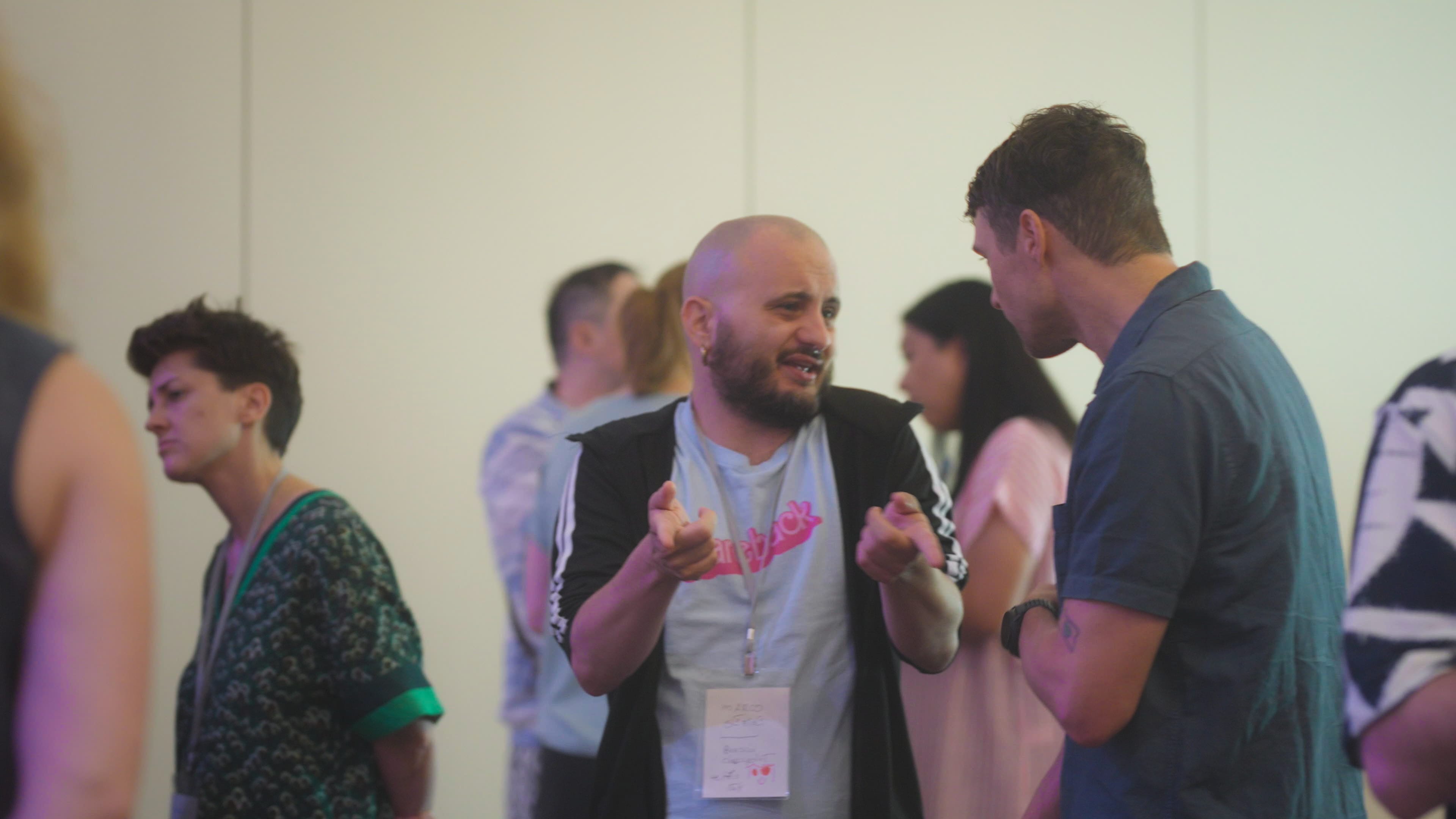
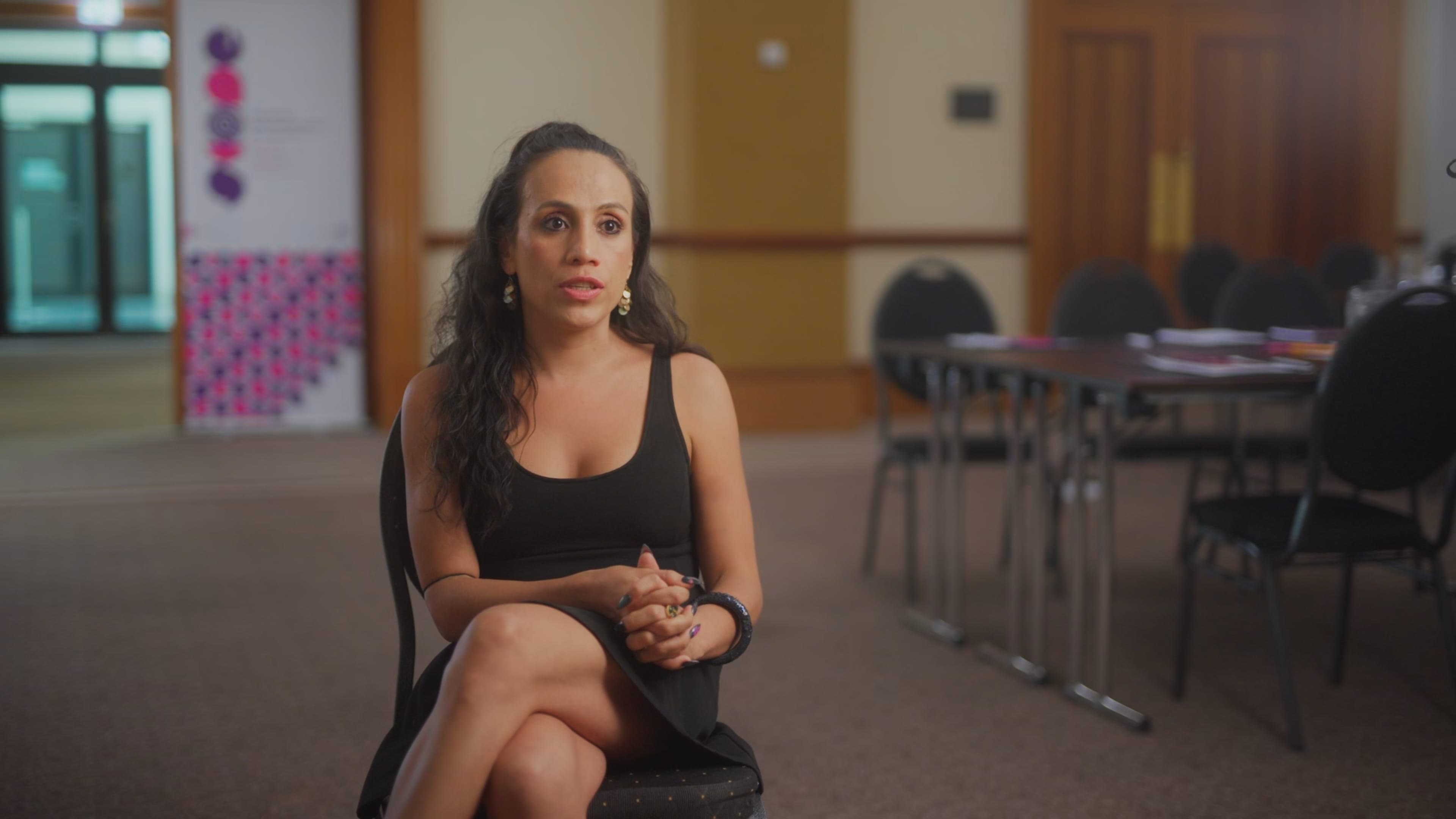
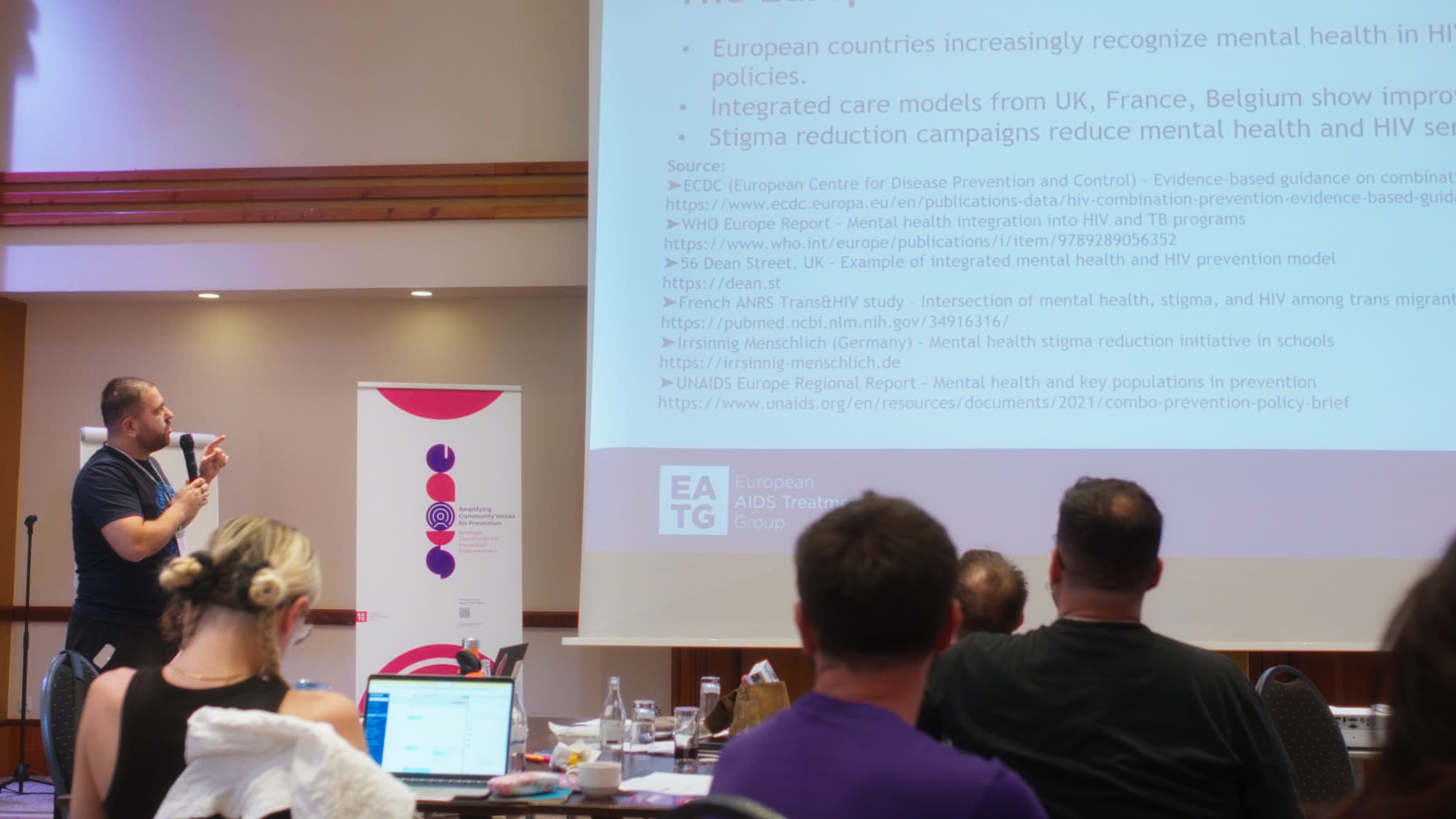
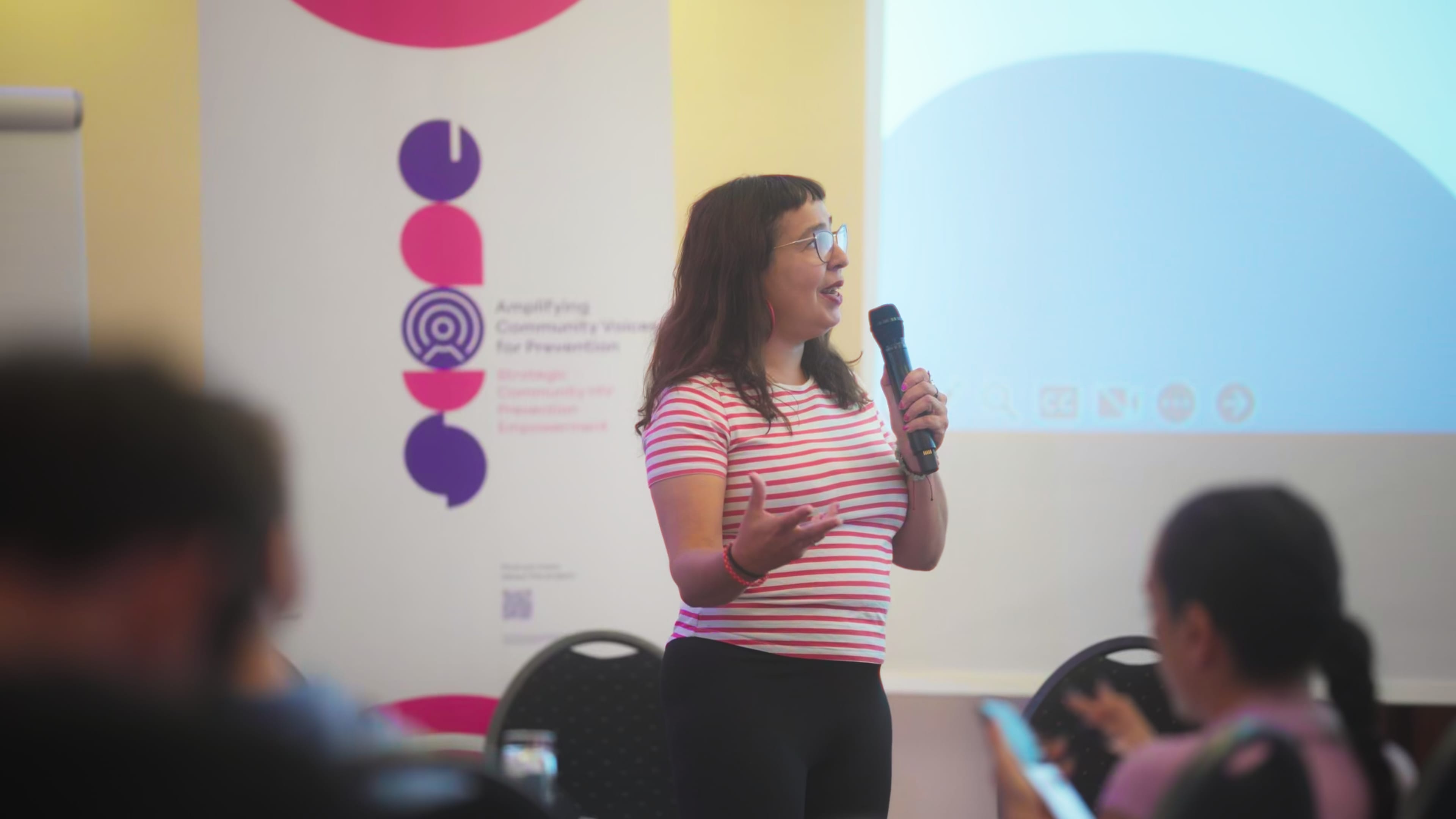
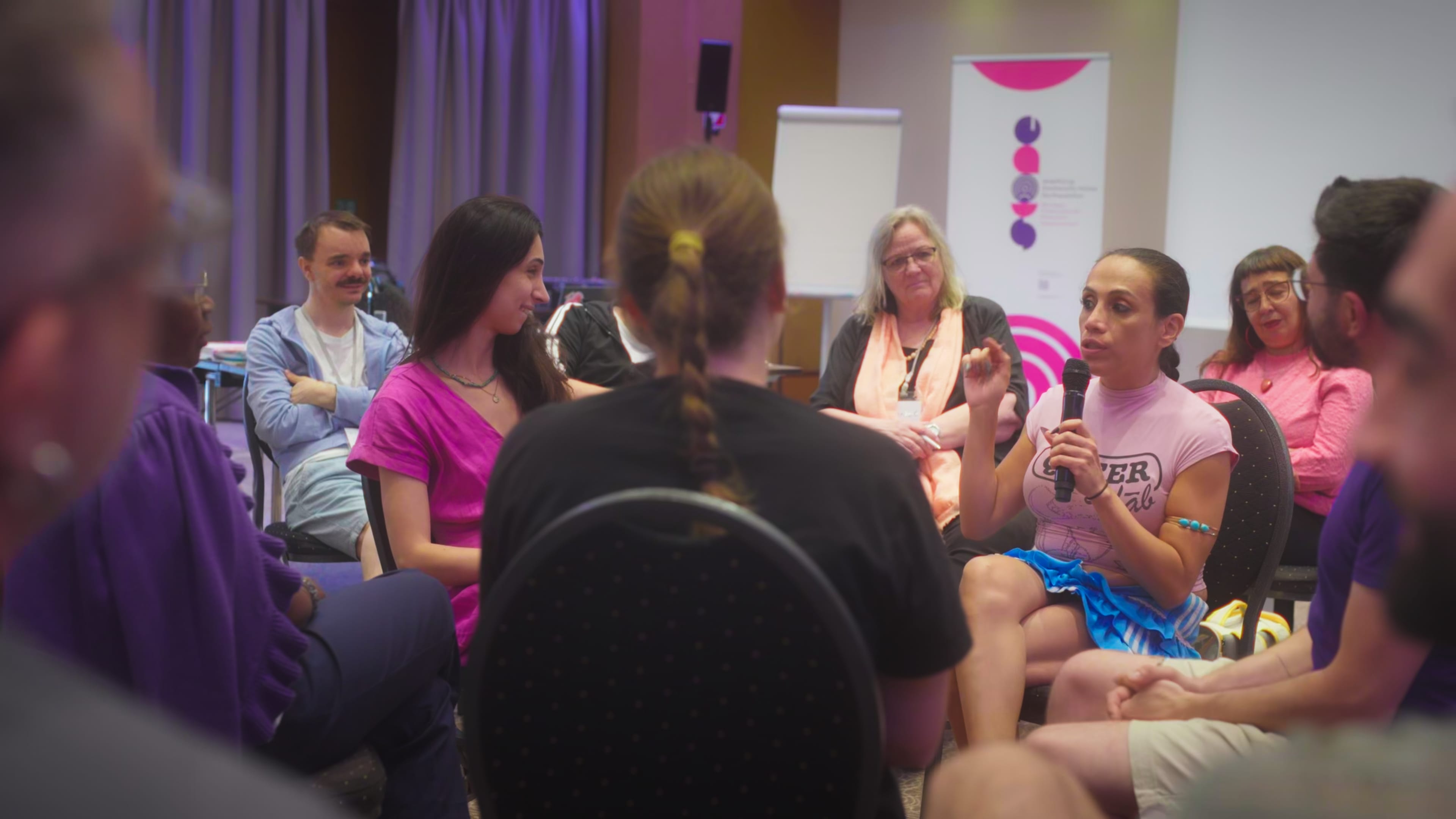
At the Community in SCOPE: A Workshop on HIV Combination Prevention, community health workers and advocates from across Europe and Central Asia met in person to discuss challenges and good practices in delivering person-centred combination prevention services. While in Berlin, we also organised a study visit to Casa Kuà, where we learned more about the services they provide to community members and how political and social determinants of health profoundly shape access, outcomes, and lived experiences.

Study Trips
This activity was highly appreciated by the SCOPE network, and we were eager to support again two community health workers and advocates working in HIV prevention to visit an organisation of their choice. This opportunity provided a platform to:
• Learn from peers about innovative, inclusive, and integrated HIV prevention services that can be adapted to their local setting
• Establish and/or strengthen partnerships with a host organisation(s)
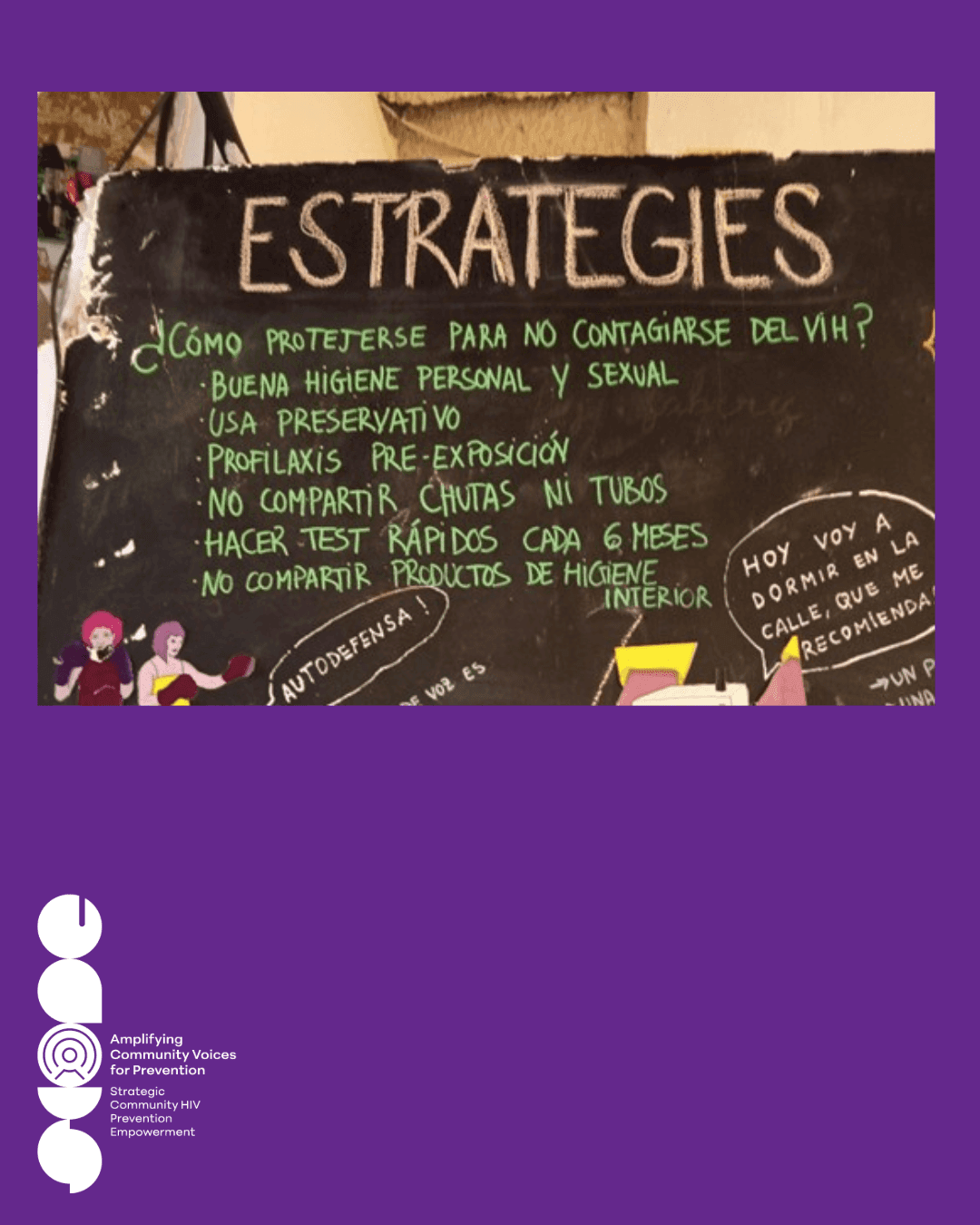
From Youth Rise (Portugal) to Metzineres (Spain), Teresa Castro explored Metzineres’ innovative and gender-sensitive harm reduction services.
From Noaks Ark (Sweden) to Africa Advocacy Foundation (United Kingdom), Denis Kolasinac’s experience reminded him how HIV prevention work is not only about health information but rather about relationships, trust and understanding of lived experiences.
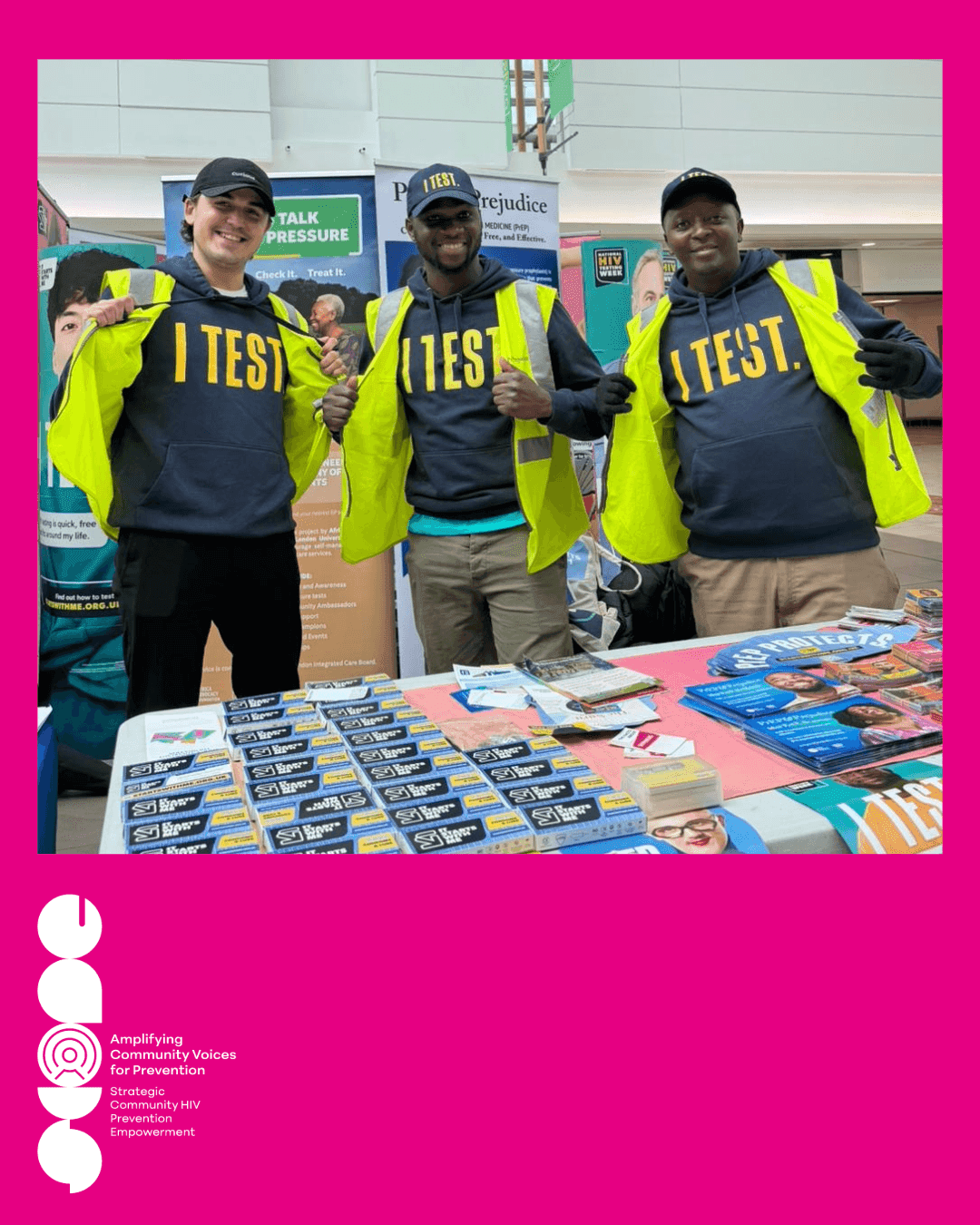
Conference scholarship
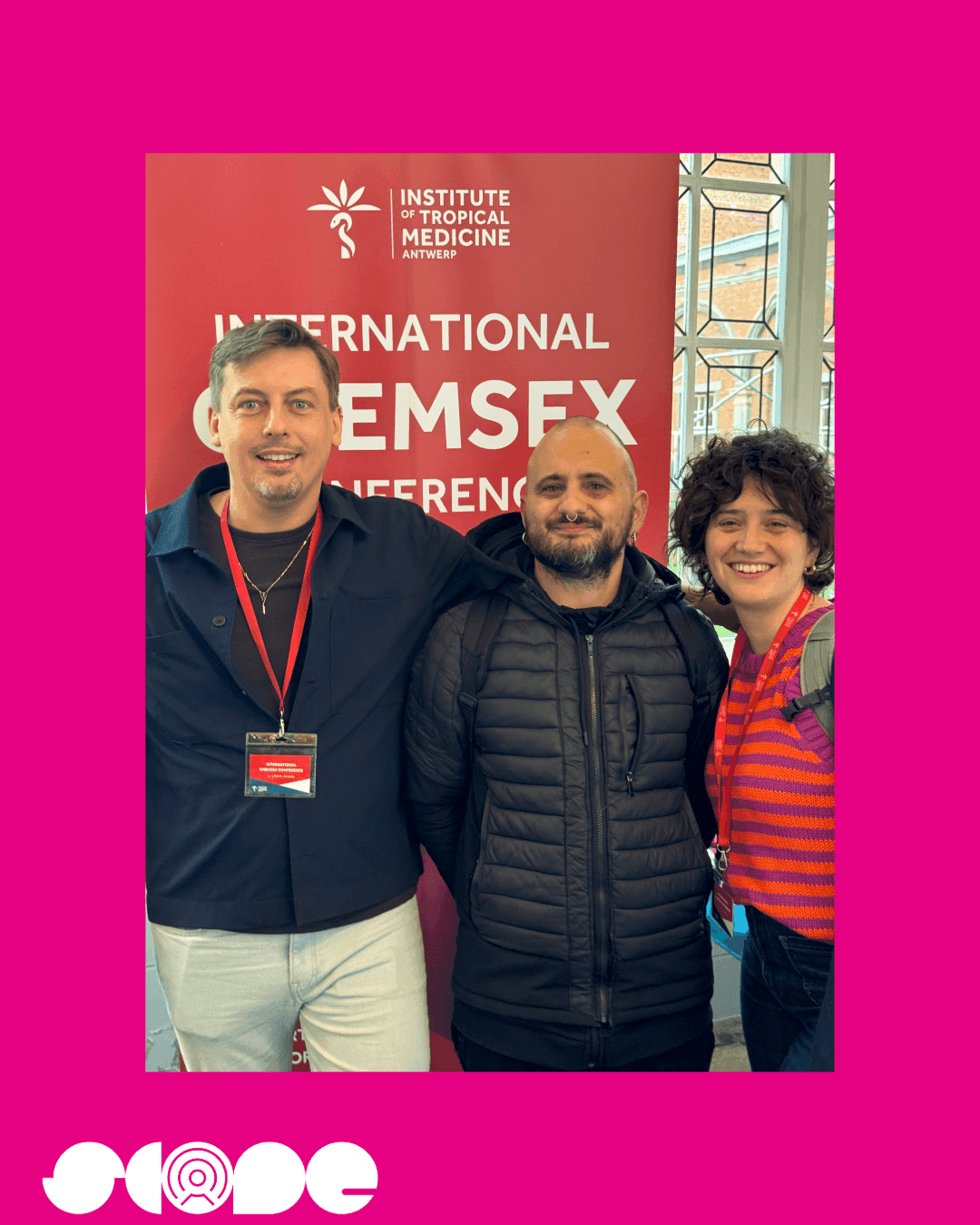
The networking continued for two more community health workers and activists by attending the International Chemsex Conference: Optimising Support and Care for People Engaging in Chemsex organised by Institute of Tropical Medicine in Antwerp (Belgium). This conference provided an opportunity to exchange experiences, while learning more about the complex and multifactorial phenomenon of chemsex, including its social, structural and psychological dimensions.
Marco Stizioli had the opportunity to reflect on how social and community environments can contribute to both connection and pressure within LGBTQ+ spaces. He highlighted the importance of creating safer, more inclusive environments that reduce the pressure to perform and support meaningful relationships as a way to prevent chemsex-related harms.
Michał Muskała gained insights into international approaches to supporting people engaging in chemsex, particularly the importance of recognising the ambivalent role chemsex can play in providing connection, pleasure and coping mechanisms. He also explored how social determinants such as stigma, migration, loneliness and body image influence vulnerability, and emphasised the value of community-led, person-centred and non-judgemental approaches in care and support.
Awareness-raising at local level…
SCOPE issued two calls for proposals, offering four grants in total, for the translation or production of community-informed, specific information materials. The selected proposals came from impacted communities across seventeen countries in Europe and Central Asia.
The Story of PrEP in Cyprus: From Advocacy to Access (Cyprus)
How does a grassroots idea become national health policy? The story of AIDS Solidarity Movement highlights how sustained community advocacy led to the official rollout of free PrEP in Cyprus in 2025. Through persistent advocacy, multilingual outreach, and collaboration with the Ministry of Health, the Cyprus PrEP Point was launched to support people starting and continuing PrEP. The launch of the Cyprus PrEP Point and collaboration with the Ministry of Health helped address early implementation challenges and strengthen trust between communities and health services.
AIDS Solidarity Movement produced a PrEP Guide in Greek, English, Turkish and French. It follows international and community guidelines and uses simple, practical language that speaks directly to people’s needs and Cyprus’ different migrant populations.
HIV Prevention for Everyone: Making Information Accessible in Armenia (Armenia)
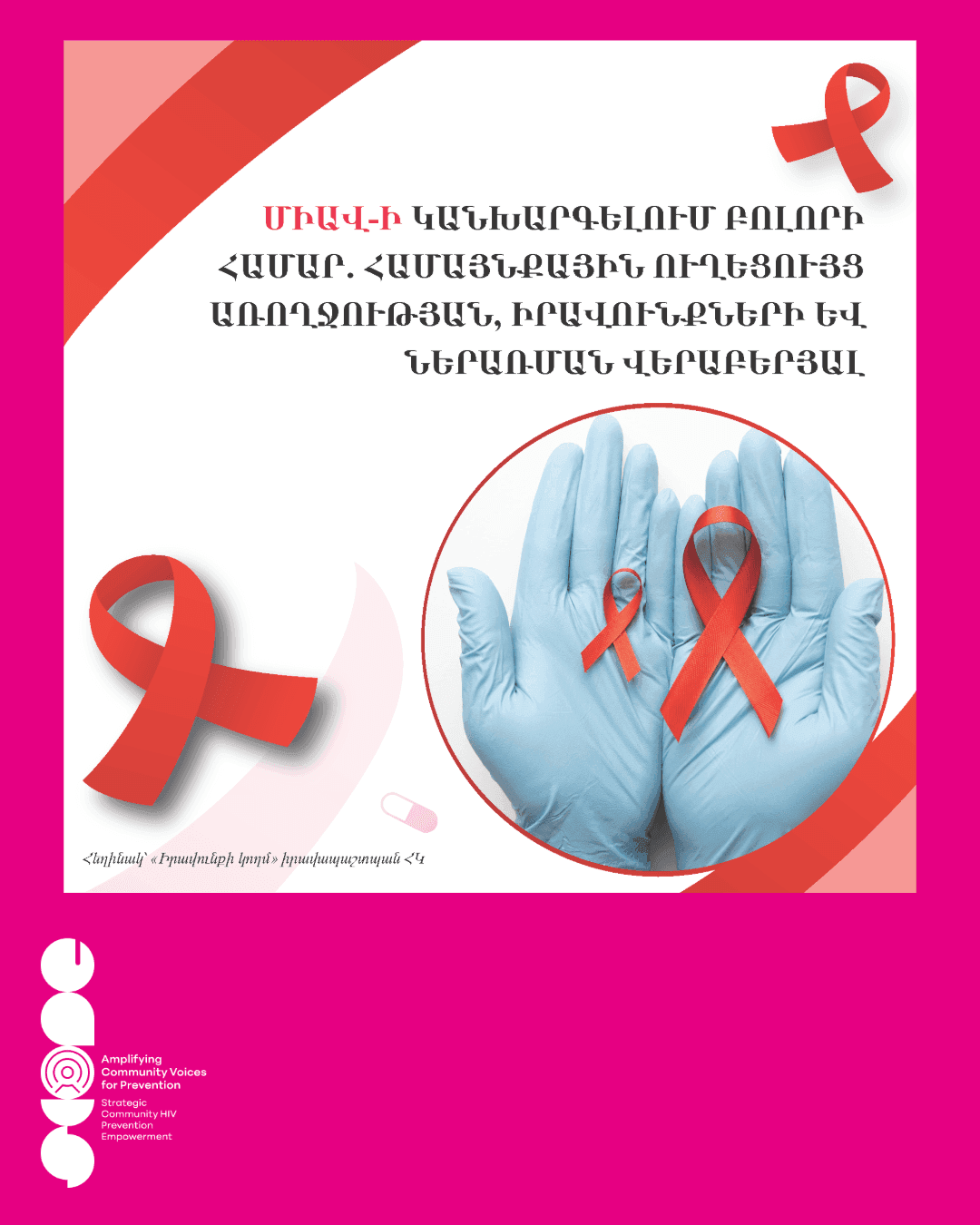
In Armenia, access to HIV prevention information is often limited by stigma, legal barriers, and a lack of inclusive, community-specific resources. Right Side Human Rights Defender NGO created a comprehensive HIV prevention guide with and for transgender people, sex workers, and other key populations. The guide covers PrEP, PEP, condoms, U=U, harm reduction, and legal rights, and is available in both print and digital formats. Early feedback shows increased knowledge, confidence, and trust in services and demonstrating how accessible, community-led information can strengthen HIV prevention.
Beyond Translation: Making Harm Reduction Information Accessible (France, Portugal and Poland)
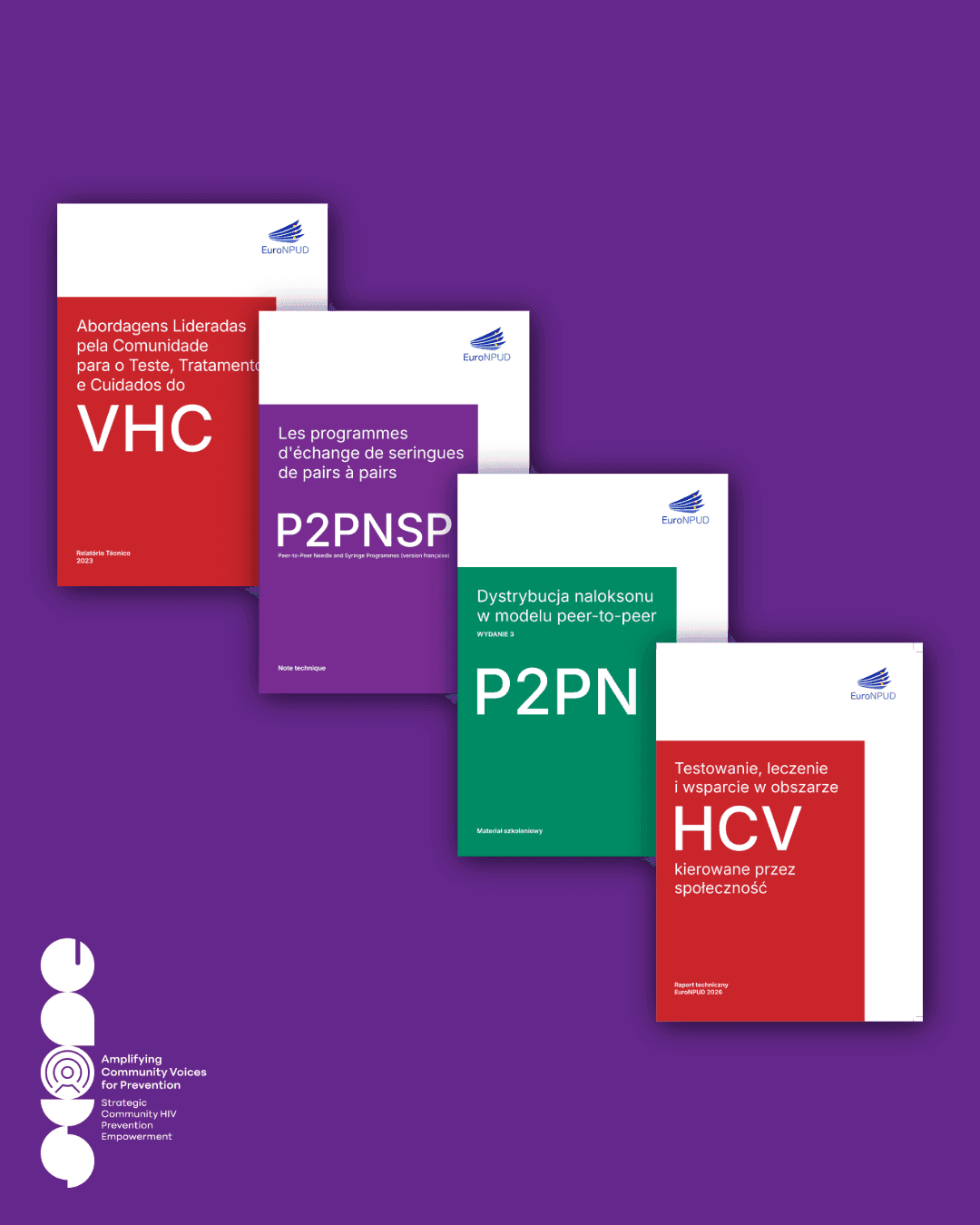
Working with community-led organisations in France, Portugal and Poland, EuroNPUD translated and adapted harm reduction resources to ensure they reflected local realities, healthcare systems, and the lived experiences of people who use drugs. Together with Mantes La Galette (France), Manas (Portugal), and PoliNPUD (Poland), they produced five community-informed resources covering safer injecting (Polish), hepatitis C testing, treatment and care (Portuguese and Polish), peer-to-peer needle and syringe provision (French), and naloxone distribution (Polish). Beyond translation, the initiative strengthened collaboration among peer-led organisations and demonstrated how community ownership and local adaptation can make health information more relevant, accessible, and impactful.
From Translation to Access: Why Language Matters in HIV Care (Switzerland/Turkey)
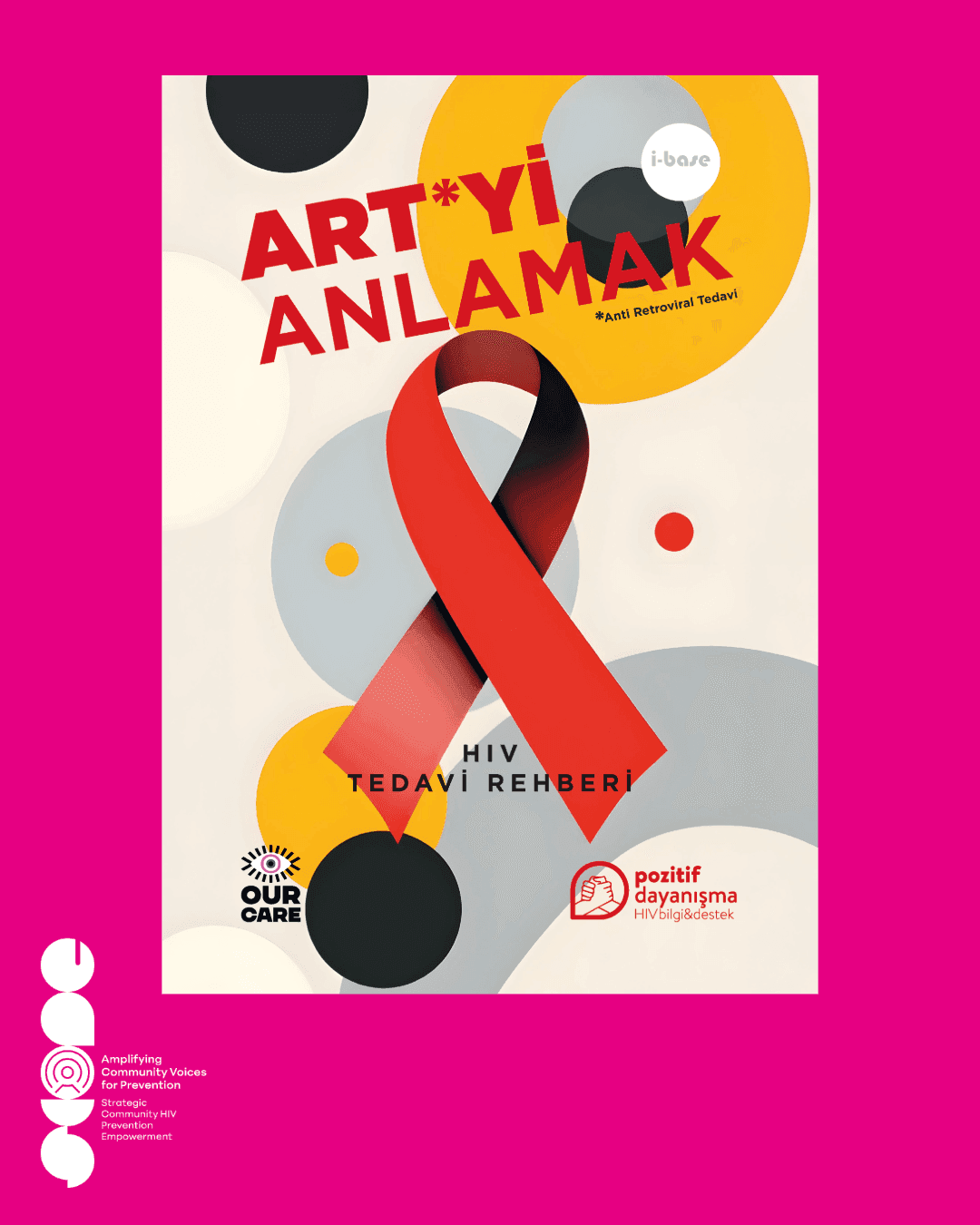
OurCARE worked with Pozitif Dayanışma to translate and culturally adapt HIV i-Base’s ART in Pictures resource into Turkish. Drawing on lived experience and community expertise, the project went beyond literal translation by simplifying complex medical information, incorporating commonly asked questions, and ensuring the content reflected the realities of people living with HIV in Turkey. The resource was disseminated online and through QR-coded materials distributed in testing centres and community spaces, helping to bridge the gap between scientific knowledge and accessible, person-centred HIV information.
…and at regional level
With over 90,000 views across social media, SCOPE’s advocacy campaign re-affirmed the importance of strengthening community-led services and supporting community advocacy to address political and funding disruptions.
The campaign underlined that community-led organisations are essential in making HIV responses more responsive, equitable, and grounded in real-life needs. It also highlighted the value of creating stronger connections between community actors and decision-makers, so that lived experience can directly inform policy and service delivery.
Supporting Community-Led Research: TrANs and non-biNAry Sex Workers Self-Care Study
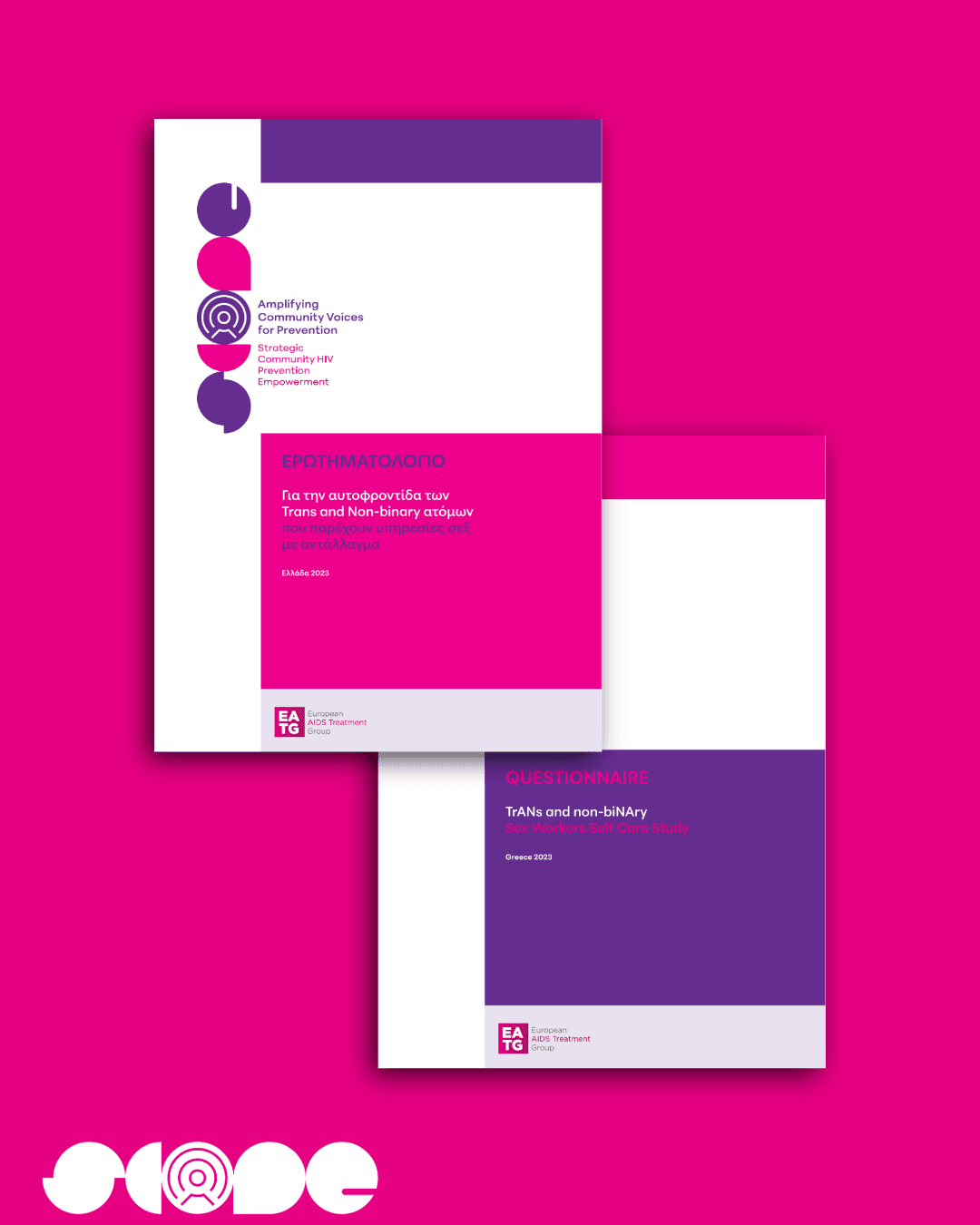
Developed by peer researcher Erofili Kokkali in collaboration with community partners, this community-led research questionnaire explores self-care practices, sexual health, and HIV prevention among trans and non-binary sex workers in Greece. The questionnaire provides a blueprint for future peer-led research and highlights the importance of participatory approaches in generating knowledge that reflects the realities and needs of affected communities.
That’s not all, we also sat down with Erofili and Daniela Rojas Castro to learn more from them how the research questionnaire was shaped, read their interview.
Monitoring HIV Combination Prevention through the SCOPE Checklist
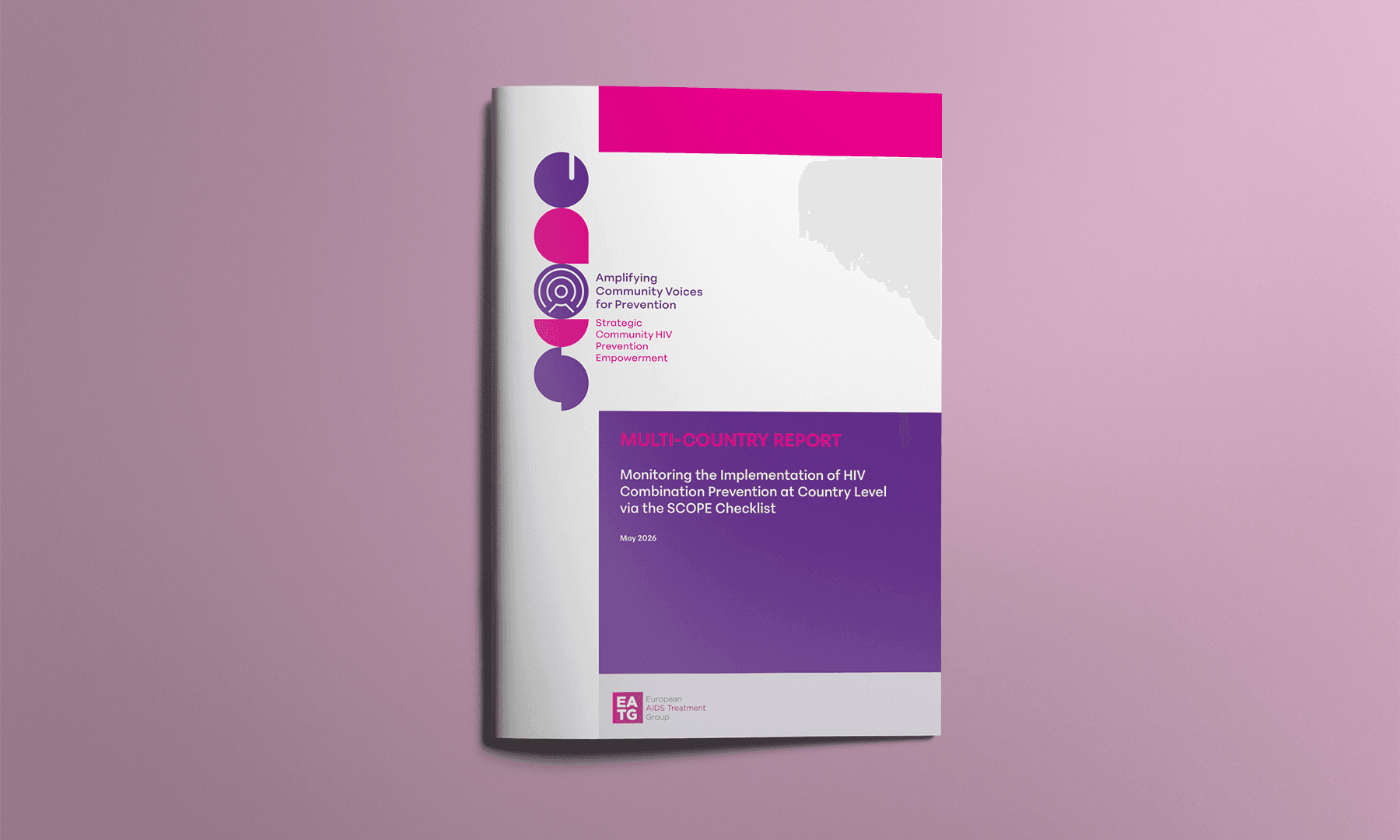
Community-based organisations from Armenia, Croatia, Ireland, Italy, Slovenia, Spain, Sweden, and Turkey used the SCOPE HIV Combination Prevention Checklist to assess the implementation of HIV prevention services and policies at national level. The resulting multi-country report identified persistent gaps between policy commitments and lived realities, while providing community-led recommendations to improve access to rights-based, person-centred, and integrated prevention services.
Interested in reading the research recommendations? Check out the SCOPE Multi-country report.
You can access and fill out the online tool below in either English or Russian
Community Voices and Lived Experience
Throughout the project, members of the SCOPE Community Expert Group (CEG) contributed personal and advocacy-focused blogs, sharing experiences and lessons from their communities and highlighting the importance of community leadership in the HIV response.
- “Trans, Beautiful and Damned: What is Like to Live in Syndemics?” by Amanita Calderón-Cifuentes explored the intersecting realities of being trans, living with HIV, engaging in sex work, and navigating structural inequalities.
- “Pride Month 2025 | Everything is Connected: Sex Worker Rights, HIV Justice, and Cross-Movement Solidarity” by Vera Rodriguez highlighted the connections between sex worker rights, HIV justice, and broader social justice movements.
- “Pride Month 2025 | Centering Trans Leadership in HIV Responses: Community-led Strategies and Policy Influence in Armenia” by Hmayak Avetisyan discussed the role of trans-led organisations in advancing HIV prevention and policy advocacy.
- “Starting a Community-Based HIV Association: The First Year of Brescia Checkpoint, an Italian Experience” by Marco Stizioli reflected on the opportunities and challenges of establishing a community-based HIV organisation.
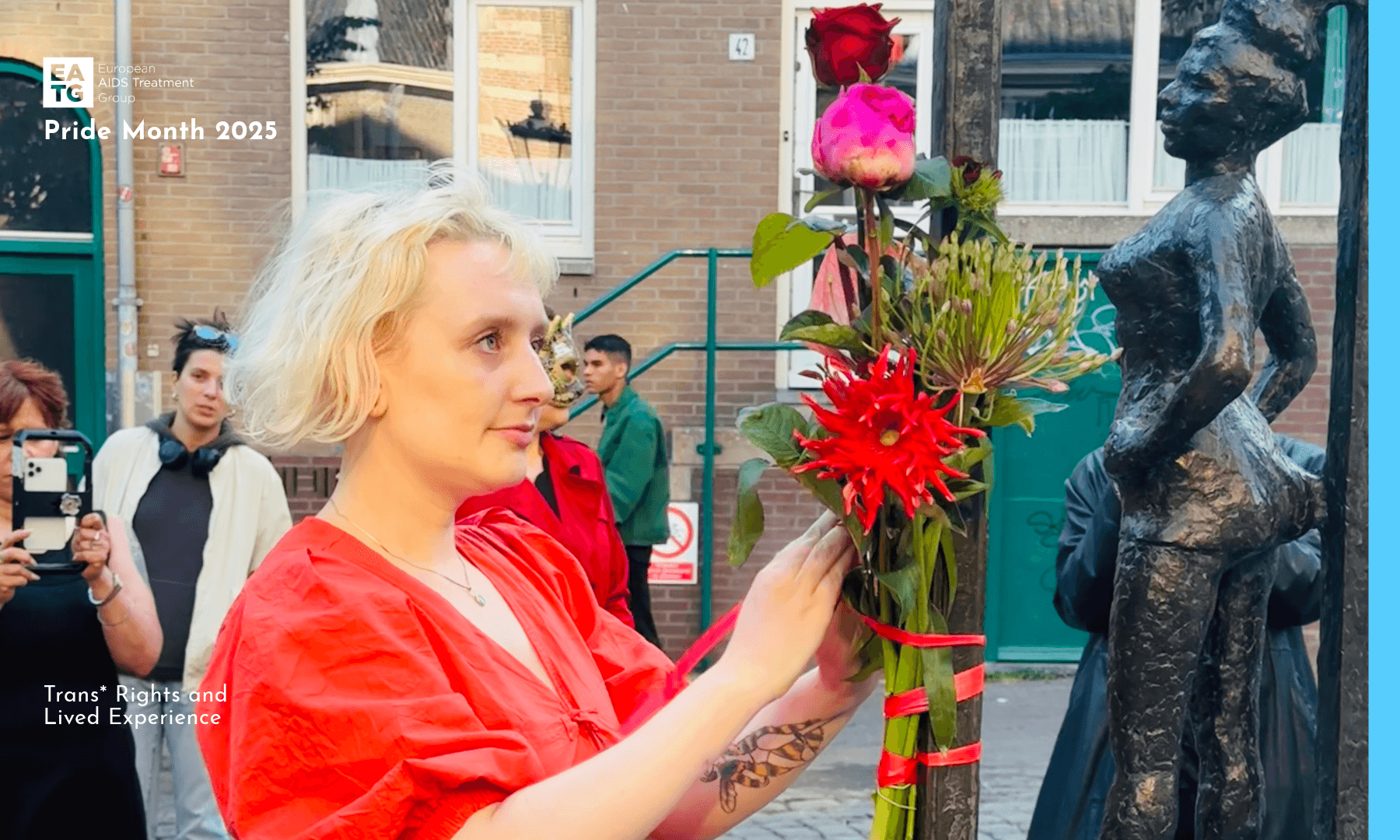
As the SCOPE project came to an end, the CEG members, EATG Members and office came together to reflect on the project’s achievements, lessons learned, and lasting impact.
The collective blog, “Amplifying Community Voices for Prevention: Reflections from the SCOPE Team,” showed the importance of community leadership, peer collaboration, and meaningful participation in strengthening HIV combination prevention across Europe.
These reflections were also discussed during the SCOPE Closing Meeting, “Take a Scoop!,” which provided space to celebrate successes, share experiences, and consider how the project’s approaches and partnerships can continue to support community-led HIV responses in the future.
Acknowledgement
We would like to thank everyone who helped make the SCOPE project and all its activities a reality!
SCOPE Community Expert Group Members: Hmayak Avetisyan, Amanita Calderon-Cifuentes, Vera Rodriguez and Marco Stizioli.
SCOPE Consultants: Daniela Rojas Castro, Dimitris Kanellopoulos, Erofili Kokkali, Hanna Oliinyk, Irina Bondas, Maria Plotko, Olivia Newport, Púca Kerney, Susanne Konschak, Volodymyr Izotov.
SCOPE Partner Organisations: AIDS Solidarity Movement, Africa Advocacy Foundation, Apoyo Positivo, AVAC, Brescia Checkpoint, CheckPoint BLN, Comitato per i Diritti Civili delle Prostitute APS, ESWA, EuroNPUD, GOSHH Ireland CLG, Hydra, ISKORAK, Manas, Mantes La Galette, Metzineres, National Trans Coalition Human Rights NGO (NTC), Noaks Ark Mosaik, OurCARE – Our Community Action for Research and Empowerment, PoliNPUD, Red Ribbon Istanbul, Right Side Human Rights Defender NGO, ŠKUC-Magnus, Trans Europe and Central Asia (TGEU), University of Miami Miller School of Medicine, University of Minnesota, ViRo Praxis, and Youthrise.
EATG Combination Prevention (CP) Programme Co-Chairs: Harriet Langanke and Gus Cairns.
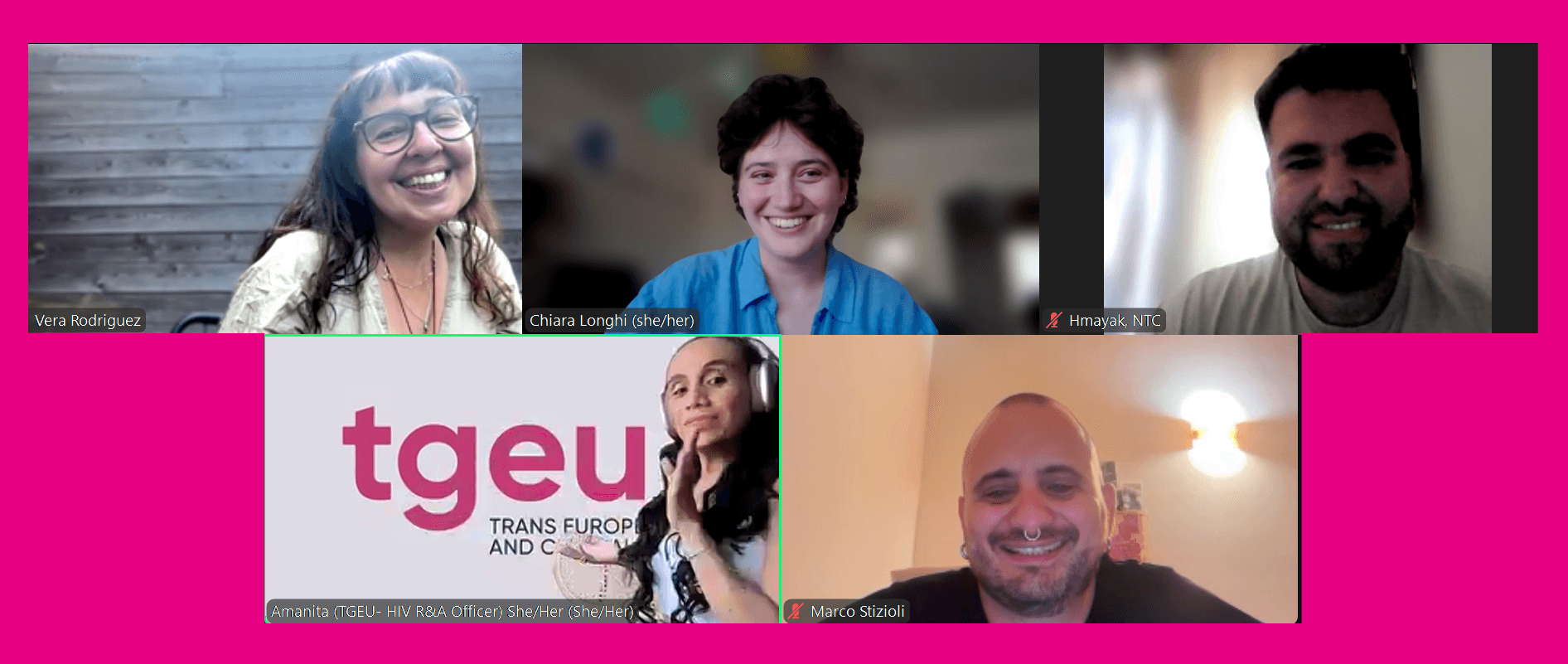 From the last call of the Community Expert Group (June 2026)
The SCOPE team
Hmayak Avetisyan
Programs Director, National Trans Coalition Human Rights NGO (NTC)
SCOPE Community Expert Group Member (EATG)
Amanita Calderón-Cifuentes
HIV Research and Advocacy Officer (TGEU)
SCOPE Community Expert Group Member (EATG)
Marco Bastian Stizioli
Brescia Checkpoint
SCOPE Community Expert Group Member (EATG)
Vera Rodriguez
Former Programme Officer on the Right to Health (ESWA)
SCOPE Community Expert Member (EATG)
Harriet Langanke
Combination Prevention Programme Co-Chair (EATG)
Apostolos Kalogiannis
Head of Communications (EATG)
Chiara Longhi
Project Manager (EATG)
The SCOPE project has been developed by the EATG, and was made possible through a grant from ViiV Healthcare Europe Ltd. EATG acknowledges that ViiV Healthcare Europe Ltd has not had any control or input into the structure or content of the initiative.
Get involved
Are you living with HIV/AIDS? Are you part of a community affected by HIV/AIDS and co-infections? Do you work or volunteer in the field? Are you motivated by our cause and interested to support our work?
Subscribe
Stay in the loop and get all the important EATG updates in your inbox with the EATG newsletter. The HIV & co-infections bulletin is your source of handpicked news from the field arriving regularly to your inbox.