
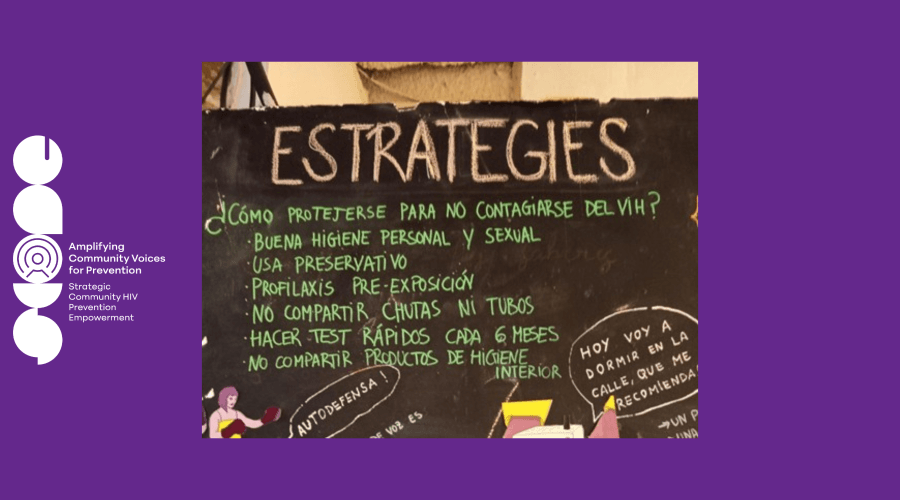
Effective HIV combination prevention goes beyond medical interventions. Visiting Metzineres is the proof that trauma-informed and peer-led harm reduction approaches are crucial structural interventions to ensure dignity, enable better health and social outcomes, and improve people’s wellbeing.
As a social worker from Lisboa, Portugal, I applied to this study trip through Kosmicare, a Portuguese harm reduction NGO working with people who use drugs in diverse settings, providing drug checking, evidence-based information and gender-responsive interventions. I went to Barcelona, Spain, to visit Metzineres, a harm reduction space built by and for women and gender-diverse people who use drugs, to learn more about their feminist and anti-prohibitionist model and understand how peer-led interventions can improve HIV combination prevention.
When we talk about harm reduction, we almost always focus on syringes, pipes, and rapid tests. We are used to services strictly regulated, sterile, and intentionally boring so that nobody gets too comfortable or stays longer than “necessary”. But what happens when we create a space where womxn are not reduced to labels, where they don’t have to hide or fear reprimand, and that truly belongs to them? What do they say and do when they are simply living?
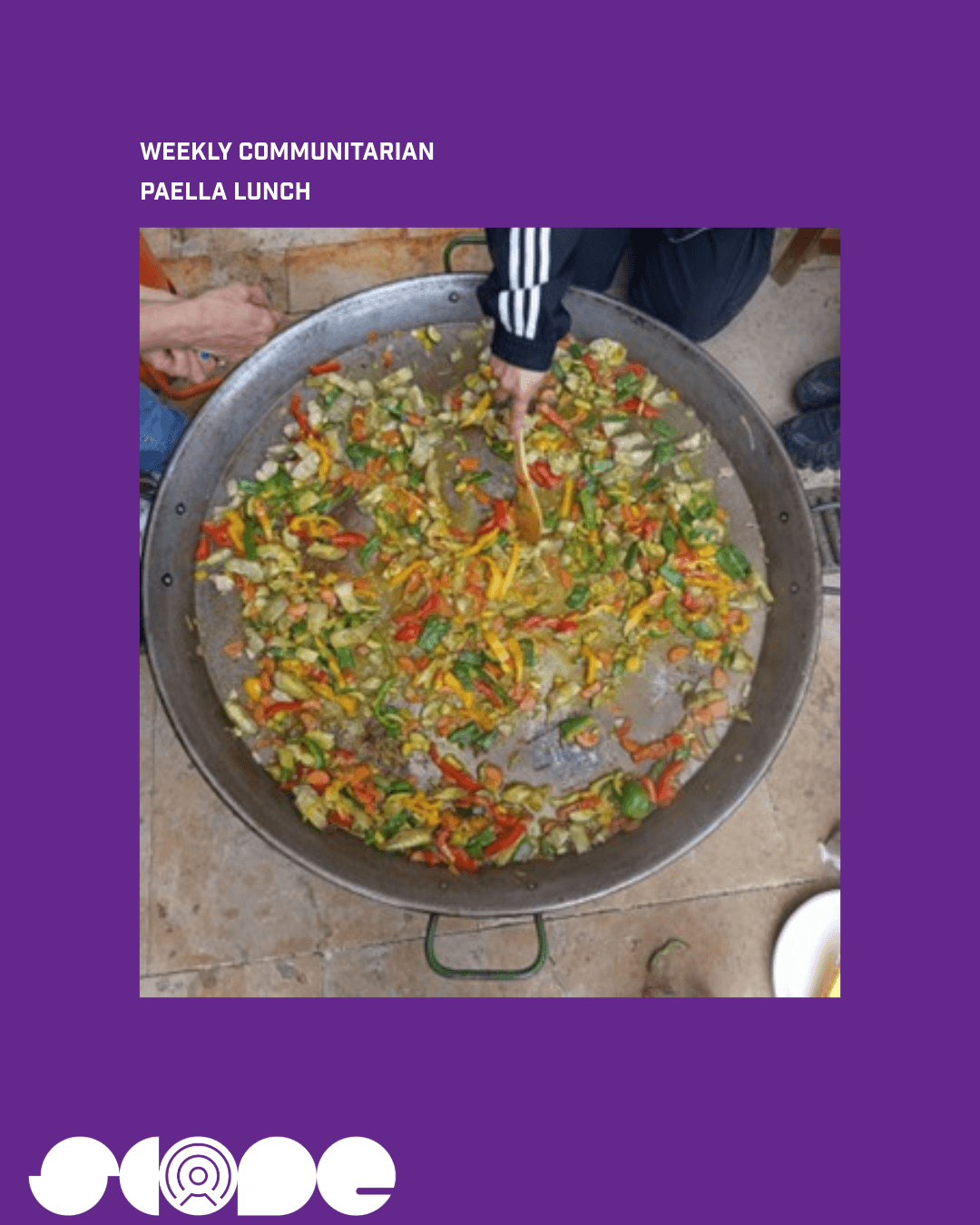
In the two days I spent with Metzineres, I had the opportunity to get to know their space, attend their weekly community paella lunch, and the inauguration of their new space, L’Arravalera (a feminist and anti-prohibitionist cultural and artistic hub), which featured musical performances by the womxn themselves. Amidst all this, I listened to the womxn share health and beauty tips, speak openly about their favorite drug paraphernalia, and watched a beautiful moment of mutual care, dignity, and protection from the violent outside world: one womxn asked a friend to do her makeup, saying “paint my eyes before I leave please dear… it always brings me luck when you do it”.
They discuss traumatic experiences with police, financial concerns (even to pay for medication), negotiate drugs and debate drug prices, suppliers and quality, protecting one another through an “informal drug checking“. They talk about relationships that are often abusive and imbalanced, they gossip and laugh. Peer solidarity is deeply present, with a womxn offering a friend everything she had to comfort her when she was sad.
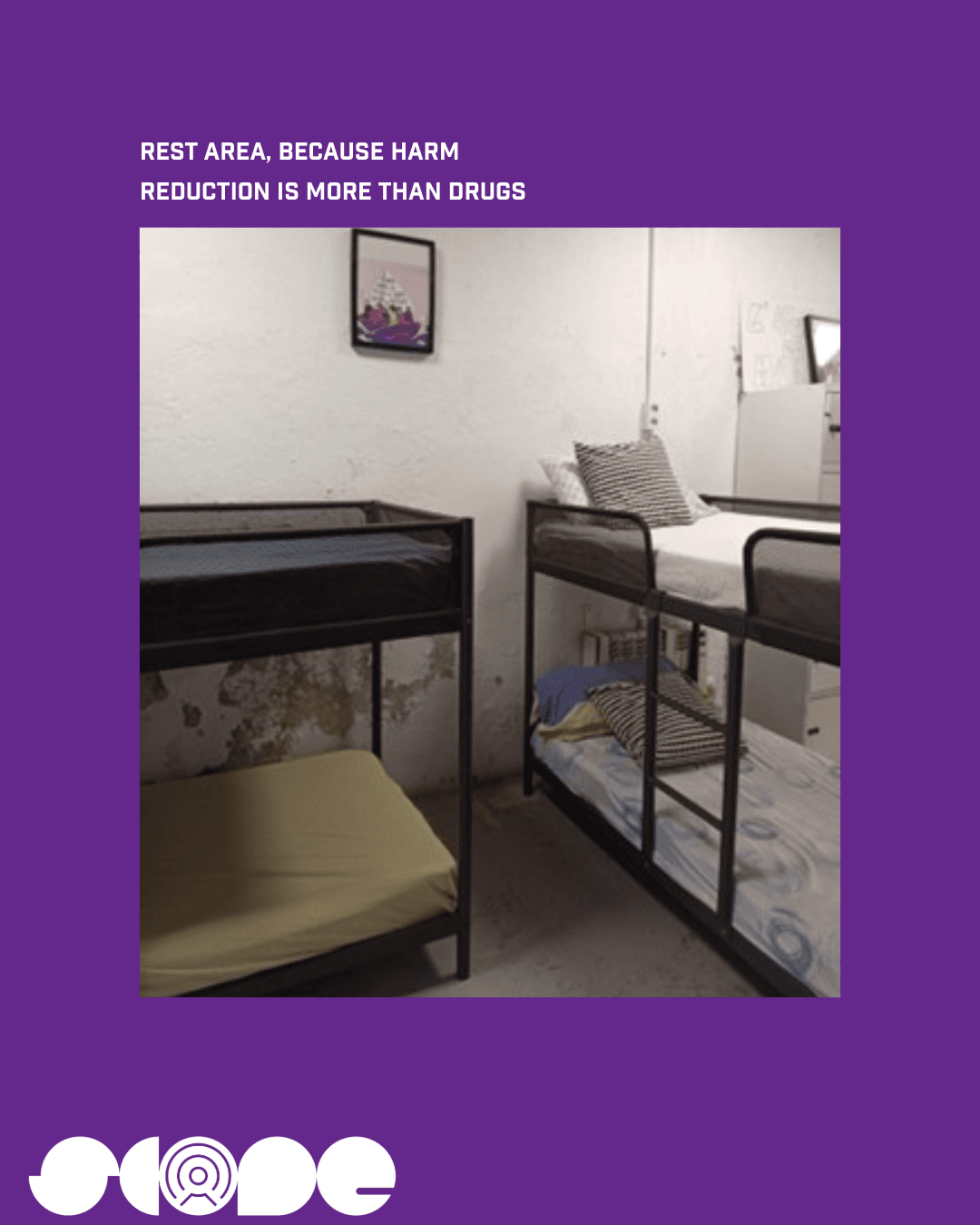
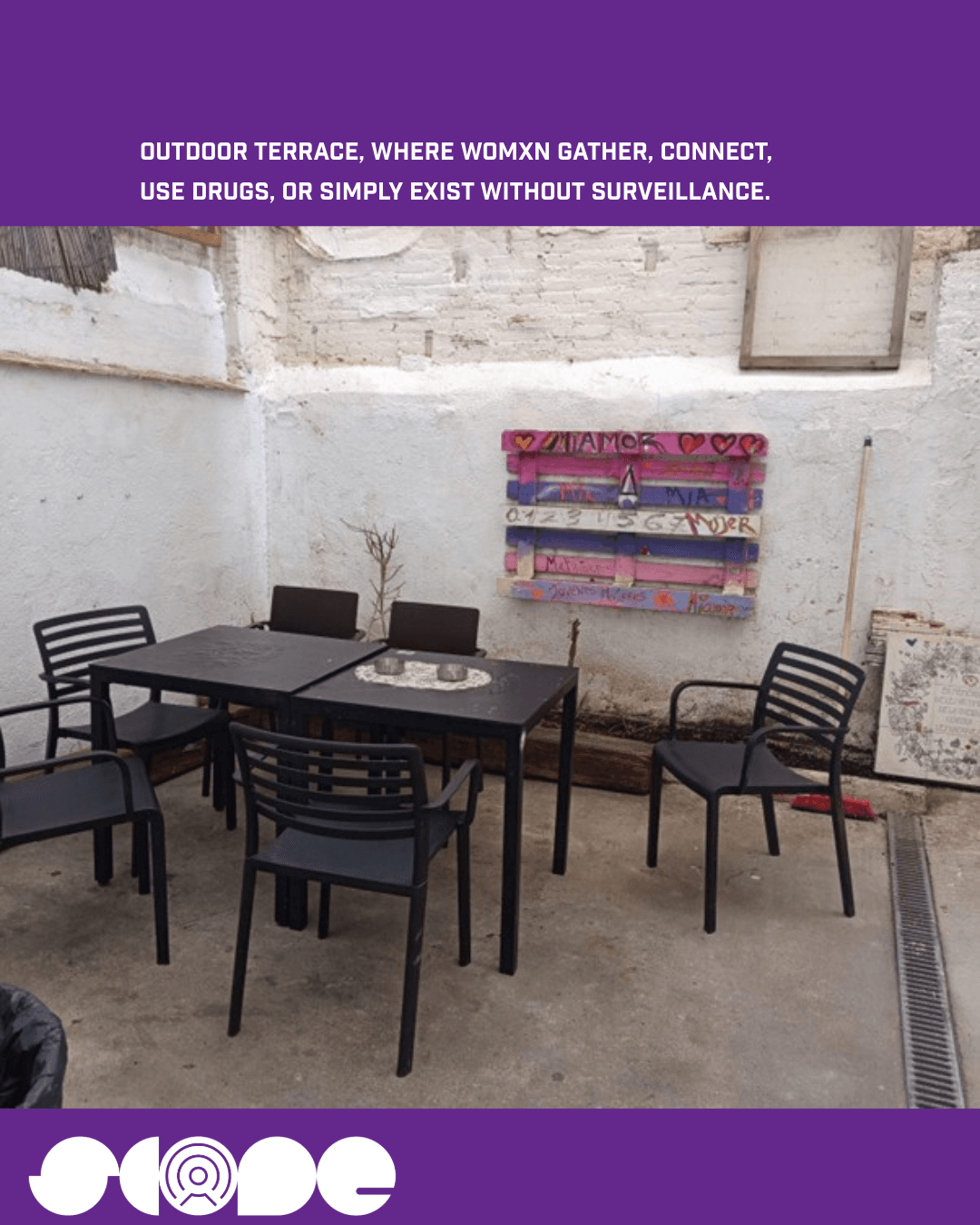
All of this happens in the same space, showing how drugs are just a small detail within these womxn’s full humanity, and how this space accepts them in their wholeness. For womxn who spend their day surviving on the street and have their entire lives exposed 24 hours a day, ensuring access to a private and quiet space to rest, eat, take a shower, or use drugs is the most profound and essential form of harm reduction.
At one point, a womxn mentioned that using stimulants continuously was making her jaw uncomfortably tense, and another responded, from her experience: “you have to space it out, otherwise you lose the positive effect you were looking for and end up just chasing it.” This kind of peer expertise, focused on maximising pleasure, is what harm reduction looks like when it starts from what people actually want. Services that ignore the role of drugs in people’s lives (for pleasure, connection, coping, survival) will always design HIV prevention for the wrong problem, and fail to address the real ones.
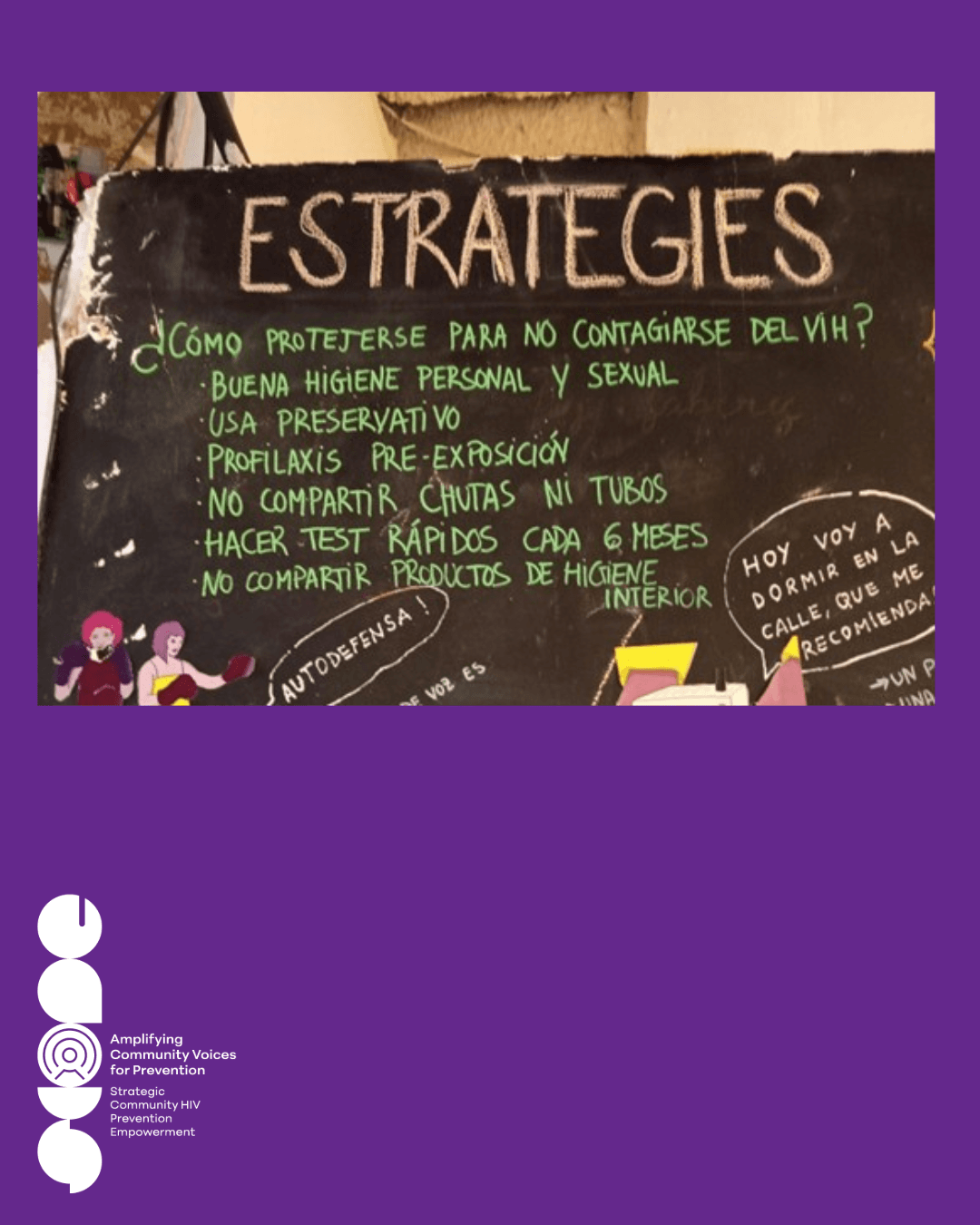
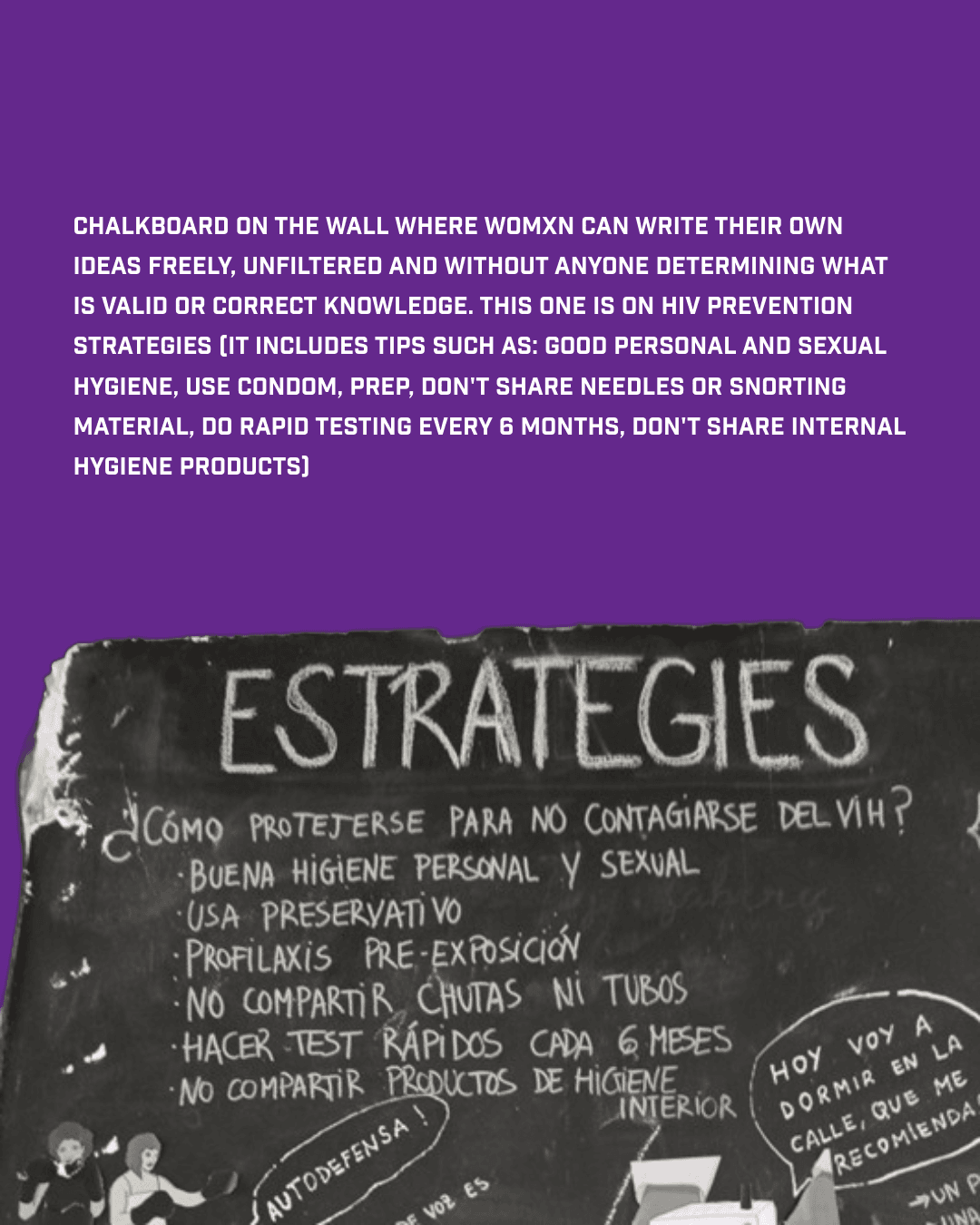
Most of the interactions I witnessed were not about health, but created the space for HIV combination prevention (like access to PrEP or rapid testing) to be possible, where people feel safe(r) and can be honest without fear of judgment.
During a visit from local public health authority members, Aura Roig (the founder of Metzineres), challenged the abstentionist-only treatment model with a simple comparison: when we stop smoking, we don’t expect the rest of the world to stop too. Then, why do we demand people to isolate themselves from their community for months or years to “recover,” only to return to a world that hasn’t changed? In Metzineres, care does not require removal, there are no punitive sanctions and no one gets expelled. They believe in ternura radical (radical tenderness), and therefore support comes with no preconditions and womxn don’t have to earn anyone’s trust. The service, in fact, is the one that must prove itself to womxn.
Services often assume they need to be the “voice of the voiceless”, but womxn who use drugs have a voice, know what they want and are aware of the system’s flaws. One participant was actively fighting the system to get her dog back from an animal shelter that had confiscated it because she was in a homeless situation. She refused financial charity from Instagram followers, and opted to draft formal emails to government departments.
These womxn don’t need anyone else to speak for them, they need a system that listens to them and services like Metzineres that give them the resources and the space to fight their own battles. Effective HIV combination prevention requires validating them as capable and knowledgeable actors who make decisions about their own health every single day.
What I’m taking home
Thirty years of decriminalisation in Portugal have contributed to keeping people alive and removing the weight of the “criminal” label, but have also medicalised harm reduction interventions and deprived people who use drugs of political agency. Keeping people alive without voice, housing, rights, or access to care is not enough.
HIV combination prevention goes much beyond medical interventions, and services must acknowledge and respect people’s lived realities and choices, moving away from fragmented responses that compartmentalise them. Social determinants such as housing, immigration status, criminalisation, gender-based violence are inseparable from people’s health and are crucial factors to enable or obstruct HIV combination prevention efforts. These must be addressed and challenged, and care cannot be something to be deserved.
Moving forward, I intend to integrate these principles of trauma-informed and peer-led approaches into my intervention. However, the most important conviction I’m bringing back is the need to continuously question myself and my practice.
Teresa Castro
Kosmicare – Peer Collaborator
EATG’s SCOPE project aims to strengthen the skills and knowledge of community health workers, advocates and researchers in the field of HIV combination prevention. It focuses on communities that are inadequately served by policies and programmes.
About the study trips
The SCOPE project provided two individual study trips for community health workers and advocates involved in HIV combination prevention service delivery in the WHO European region to carry out individual site visits to local community-based/led organisations.
Study trips provided the opportunity for community health workers and advocates in the area of HIV prevention to:
- Learn from peers about innovative, inclusive, and integrated HIV prevention services that can be adapted to their local setting
- Establish and/or strengthen partnerships with a host organisation(s).
The SCOPE project has been developed by the EATG and was made possible through a grant from ViiV Healthcare Europe Ltd.

Related Blogs
Get involved
Are you living with HIV/AIDS? Are you part of a community affected by HIV/AIDS and co-infections? Do you work or volunteer in the field? Are you motivated by our cause and interested to support our work?
Subscribe
Stay in the loop and get all the important EATG updates in your inbox with the EATG newsletter. The HIV & co-infections bulletin is your source of handpicked news from the field arriving regularly to your inbox.