
This blog is a collective reflection from the people who made SCOPE happen, a project that amplified community voices in HIV prevention across Europe and Central Asia. At SCOPE, we focus on addressing the intersectional needs of diverse key populations, including men who have sex with men, transgender and non-binary people, migrants and people on the move, sex workers, women, and people who use drugs. We mean them, when we refer to “communities”.
Who we are
- Community Expert Group members: Amanita Calderon-Cifuentes, Marco Stizioli, Vera Rodriguez, Hmayak Avetisyan. We are activists and community leaders working directly with populations most affected by HIV. Our insights, lived experiences, and leadership shaped every part of SCOPE.
- Project leadership: Chiara Longhi and Apostolos Kalogiannis from the European AIDS Treatment Group (EATG) — coordinated, supported, and ensured that communities could lead the project from design to delivery.
- Advisory & scientific guidance: Harriet Langanke, Co-Chair of EATG’s Combination Prevention Programme, provided technical expertise, supervised the project implementation and helped bridge community knowledge with biomedical and policy frameworks.
Who was behind SCOPE
As part of EATG’s Combination Prevention Programme, SCOPE aims to strengthen community engagement and ensure equitable access to HIV combination prevention tools. From the beginning, the project aimed to co-create solutions with communities, rather than for them, building spaces for dialogue, learning, advocacy, and action across borders.
Together, these voices shaped SCOPE into more than a project,it became a living network of knowledge, solidarity, and empowerment, as reflected in this blog.
Communities First: Shaping the future of HIV prevention
When we think back to SCOPE, the first thing that comes to mind is connection. For Hmayak, it was that first call with the Community Expert Group: “It was so nice to be amongst the selected in a space where communities decide on their own fate.” Amanita remembers the moment she was invited to deliver a keynote at the 2022 webinar: “It transformed HIV prevention into a space not only for biomedical discussion, but also for challenging and deconstructing the gender norms and social structures that marginalise us.” While Marco recalls the fishbowl dialogue at the Berlin workshop: “It was such a deep, not planned moment. What people said there will stay in my heart.”
SCOPE was never just a project, it was a circle of people coming together, learning from each other, and co-creating solutions. Vera puts it simply: “SCOPE is a group of community organisers with different backgrounds where we built community beyond ourselves, learnt from each other and co-created meaningful activities towards HIV prevention and against stigma.” Harriet highlights the broader impact: “Women living with HIV are found across diverse settings; the project fosters solidarity between communities.”
Community voices at the centre
Across the project, the difference was clear. Communities were not just consulted, they actively shaped decisions. Amanita shares how, during the summer 2025 workshop fishbowl, community advocates “took the centre of the room and the agenda in their own hands,” ensuring intersectionality was embedded in prevention strategies. Marco echoes this: “From choosing speakers to moderating the fishbowl dialogues, we defined what was important to talk about, like mental health and trans-inclusive care.”
For Hmayak, SCOPE demonstrated that “community engagement and ownership are not tokenism. At SCOPE we not only work for communities, we work with communities.” Vera celebrates instead the variety of ways SCOPE gave voice to all: “Everybody felt part of the process, each of us had a platform and something significant to contribute.”
Redefining combination prevention
One of the project’s core goals was deepening understanding of combination prevention. Across the group, participants highlighted common misconceptions:
- Amanita points out that policymakers often overlook the structural and pleasure-based dimensions of prevention: “It is not merely a menu of biomedical tools, it’s an ecosystem.”
- Marco notes that stakeholders still think prevention is just about condoms or PrEP: “Providing tools is just the end of the funnel. We need to change laws, expand access, and really involve communities in decision-making.”
- Harriet reminds us that primary and secondary prevention are interconnected, and that combination prevention must sit within a broader sexual health framework.
The SCOPE experience shifted how community experts talk about prevention too. Marco shares: “SCOPE changed my language from prescribing solutions to offering options… prevention as a tool for freedom and pleasure, rather than just a medical tool.” Amanita reflects on how: “SCOPE gave me the platform, language, and collective validation to amplify my convictions more confidently and strategically.”
Learning across borders
The project created spaces for exchange across countries and contexts. Vera was inspired by Berlin Ballrooms: “A way to build community and learn about prevention in a celebratory way.” Marco learned about the link between trauma and HIV prevention in Armenia: “Almost 100% of migrants and refugees were exposed to war trauma. We cannot talk about combination prevention without trauma-informed care.” Amanita was struck by the resilience of inadequately served populations in the Global South and East: “Communities are not waiting to be saved, they are building adaptive, relational strategies rooted in real life.”
Stories of impact
For Chiara and Apostolos, from the EATG Secretariat, the most rewarding moments were seeing the community shine. Chiara recalls the fishbowl session in Berlin: “Listening to everyone’s stories in the safe space we created made it even more special. Seeing months of preparation come to life was unforgettable.” And the visibility of the project was amplified through an advocacy campaign, reaching over 90,000 views and featuring voices like Amanita: “We are the most real people you will ever meet because we have paid with blood, sweat, and tears — the price for the privilege of owning ourselves.”
Hmayak reflects on the lasting impact: “I was inspired by Harriet, she guided the process. These discussions still shape how I frame prevention in my work.” Marco adds: “If we feel like we want to give up, we have to ask for help. As SCOPE teaches us, you are not alone.”
Looking forward: What comes next for the SCOPE Project?
What would it take to know SCOPE’s impact is still alive in two years? For Amanita: “Seeing combination prevention frameworks created by us fully embedded in policy and law.” Marco emphasises the network effect: “My Italian organisation is doing a good job and I have a good connection with other HIV organisations and this is thanks to SCOPE.” Vera notes the confidence it builds: “I can get in touch someone I met through SCOPE and when needed share contacts, wins, and strategies. The bond is there..”
The overarching advice for future projects is clear: trust communities, involve them from the start, and share power. Amanita: “Never hire a project manager who is not a community member.” Hmayak: “Nothing about us without us.” Vera: “Choose a varied group of community experts and let them make decisions and feel part of the process.”
If SCOPE were a tool…
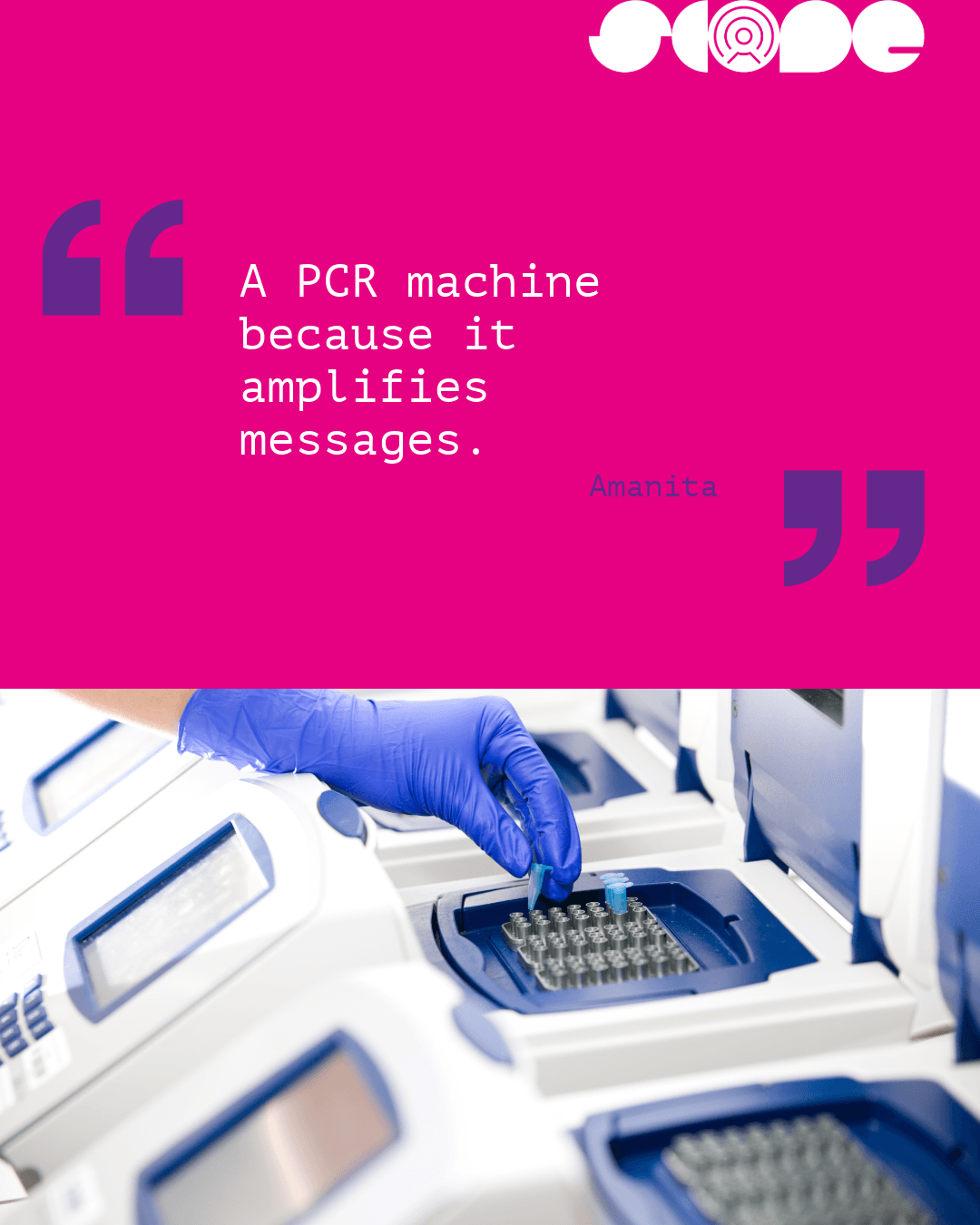
- Amanita: “A PCR machine because it amplifies messages.”
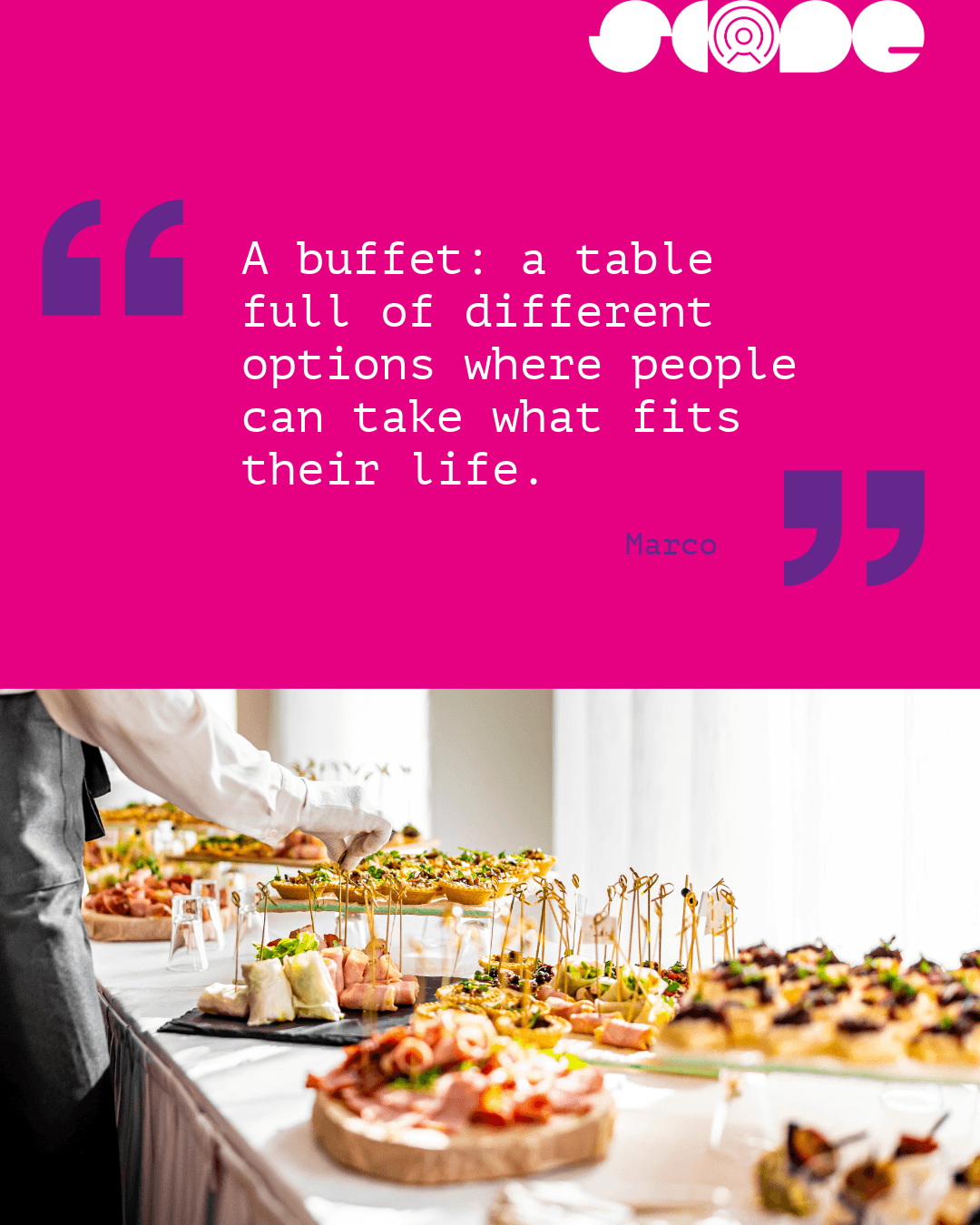
- Marco: “A buffet: a table full of different options where people can take what fits their life.”
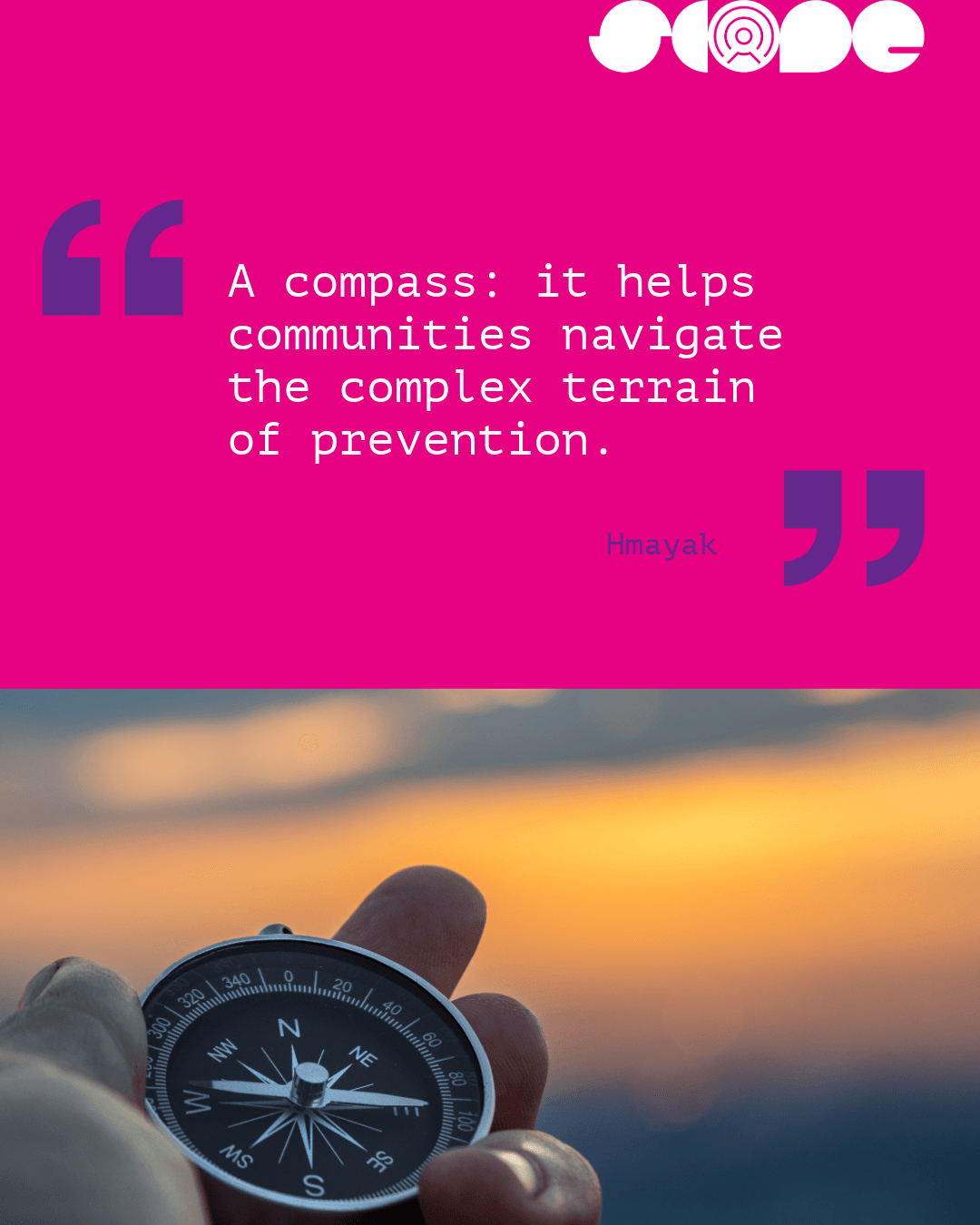
- Hmayak: “A compass: it helps communities navigate the complex terrain of prevention.”
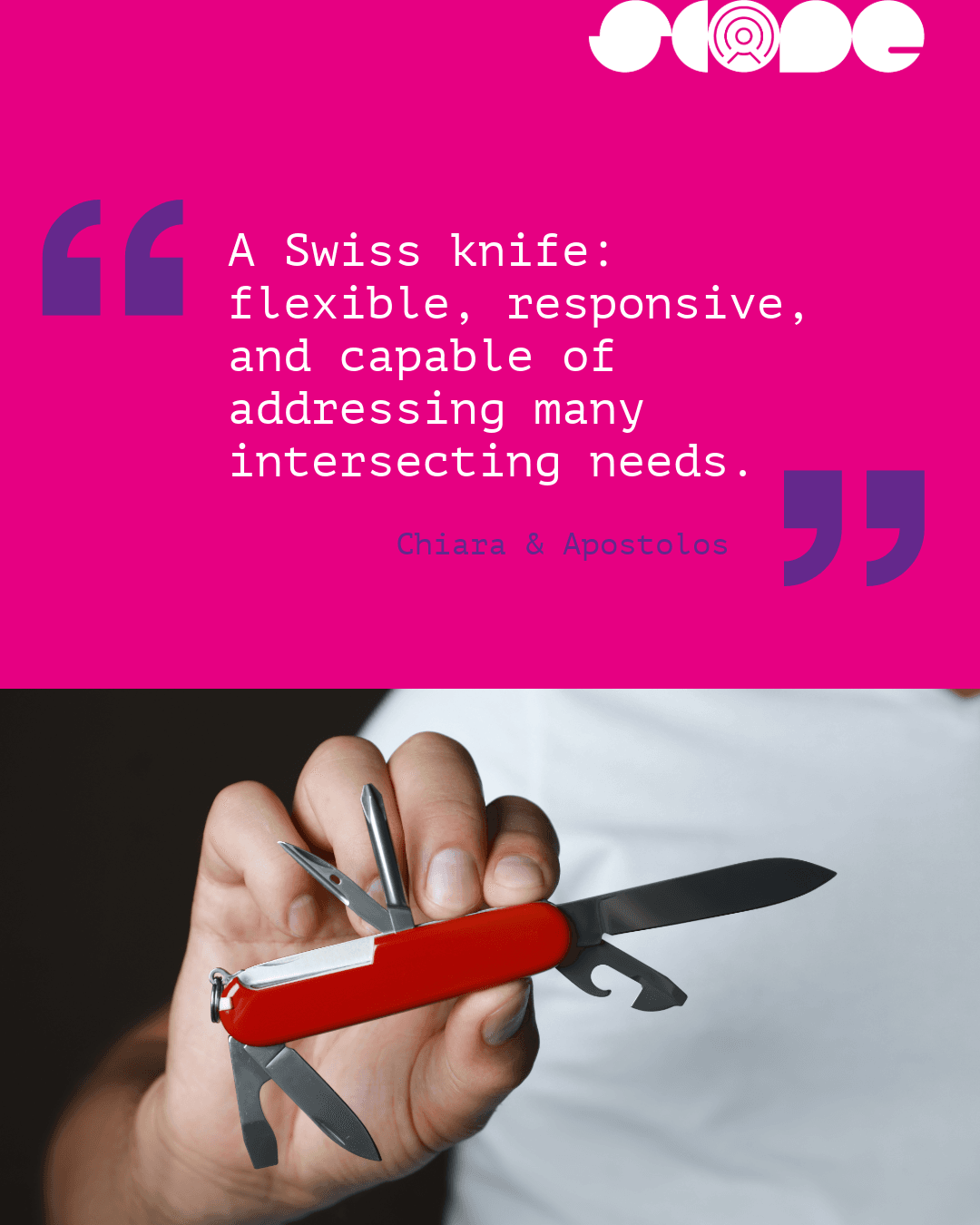
- Chiara & Apostolos: “A Swiss knife: flexible, responsive, and capable of addressing many intersecting needs.”
Hope and inspiration
Despite ongoing challenges -criminalisation, stigma, funding gaps- SCOPE demonstrates that community leadership and solidarity work. Amanita: “Self-care and community care are acts of collective survival and political resistance.” For Marco: “We are able to raise our voices in these difficult times.” While for Vera: “We learn from each other.. Together we are stronger.” Harriet says that: “By fostering solidarity, SCOPE amplifies voices that are often fragmented or isolated.”
SCOPE is more than a project: it’s a living network of community-led advocacy, learning, and resilience, shaping HIV prevention across Europe and Central Asia and reminding us all: we are stronger when we decide our own path, together.
The SCOPE team
Hmayak Avetisyan
Programs Director, National Trans Coalition Human Rights NGO (NTC)
SCOPE Community Expert Group Member (EATG)
Amanita Calderón-Cifuentes
HIV Research and Advocacy Officer (TGEU)
SCOPE Community Expert Group Member (EATG)
Marco Bastian Stizioli
Brescia Checkpoint
SCOPE Community Expert Group Member (EATG)
Vera Rodriguez
Former Programme Officer on the Right to Health (ESWA)
SCOPE Community Expert Member (EATG)
Harriet Langanke
Combination Prevention Programme Co-Chair (EATG)
Apostolos Kalogiannis
Head of Communications (EATG)
Chiara Longhi
Project Manager (EATG)
EATG’s SCOPE project aims to strengthen the skills and knowledge of community health workers, advocates and researchers in the field of HIV combination prevention. It focuses on communities that are inadequately served by policies and programmes.
The SCOPE project has been developed by the EATG and was made possible through a grant from ViiV Healthcare Europe Ltd.

Related Blogs
Get involved
Are you living with HIV/AIDS? Are you part of a community affected by HIV/AIDS and co-infections? Do you work or volunteer in the field? Are you motivated by our cause and interested to support our work?
Subscribe
Stay in the loop and get all the important EATG updates in your inbox with the EATG newsletter. The HIV & co-infections bulletin is your source of handpicked news from the field arriving regularly to your inbox.