
Review paper by Rafał Majka and Samer Abuzerr, published in the scientific journal Epidemiological Review
Rafał Majka is a member of EATG
ABSTRACT
In Gaza, prolonged blockade, recurrent conflict, and systemic deprivation have turned HIV from an under-detected condition into an increasingly invisible humanitarian health concern. Before the 2023 escalation, about 125 people living with HIV/AIDS were officially recorded in Palestine, including 50 in Gaza – a figure likely shaped more by limited surveillance, stigma, and restricted testing than by low transmission. The destruction of healthcare infrastructure, displacement of medical staff, and collapse of supply chains have since disrupted treatment continuity and eliminated epidemiological visibility. Shortages of antiretroviral therapy (ART), damaged laboratories, and disrupted patient follow-up systems now expose people living with HIV to viral rebound, opportunistic infections, and increased mortality, while heightening transmission risks. Overcrowding, poverty, displacement, and weakened infection prevention and control systems further intensify vulnerability. Key populations – including women of reproductive age, people who inject drugs, and displaced communities – face barriers to prevention and care, while interrupted antenatal services threaten vertical-transmission (mother-to-child) prevention. Restoring ART supply, rebuilding surveillance, integrating HIV services into emergency care, and reducing stigma are urgent priorities.
Download the full paper here.
Here are some highlights from the authors:
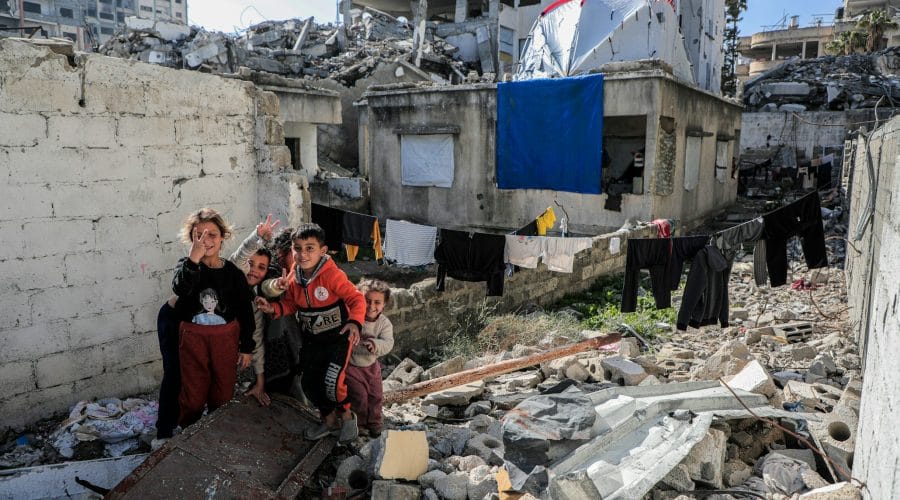
⚫ The situation in Gaza is catastrophic. As of March 2026, ART was available in only around 2% of all health service institutions in Gaza. By April 2026, 94% of hospitals had been destroyed, while only 1.5% of primary healthcare centres were operating at full capacity.
🟠 Before the current escalation, official Palestinian Ministry of Health reports recorded around 125 people living with HIV/AIDS in Palestine since 1988, including 50 in Gaza. However, these numbers likely reflected major underdiagnosis linked to stigma, restricted testing, and weak surveillance systems.
🟡 The latest available data show a worsening situation: by 2025, the cumulative number of people living with HIV/AIDS in Palestine had increased to 159, while the number of people with advanced HIV disease (AIDS) rose sharply from 95 cases in 2021 to 127 in 2024. In Gaza alone, diagnosed HIV/AIDS cases increased from 50 to 70 during the same period.
🟢 The article also stresses the importance of international law, humanitarian regulations, and global health institutions. The right to health and life belongs to every Palestinian. Coordinated international pressure and sustained humanitarian action are urgently needed to rebuild HIV prevention, testing, and treatment systems in Gaza.
Source : Epidemiological Review
Related HIV and Co-Infections News
Get involved
Are you living with HIV/AIDS? Are you part of a community affected by HIV/AIDS and co-infections? Do you work or volunteer in the field? Are you motivated by our cause and interested to support our work?
Subscribe
Stay in the loop and get all the important EATG updates in your inbox with the EATG newsletter. The HIV & co-infections bulletin is your source of handpicked news from the field arriving regularly to your inbox.