
Bioengineer.org news story
For millions of people living with HIV, antiretroviral therapy has transformed a once-fatal infection into a manageable chronic condition. Yet the very drugs that suppress the virus can carry quiet costs, and one of the most insidious is bone loss. Tenofovir disoproxil fumarate, or TDF, has been a cornerstone of HIV treatment worldwide for two decades, prized for its potency, durability, and low cost. But a growing body of evidence has linked TDF exposure to measurable reductions in bone mineral density, raising an increasingly urgent clinical question: once bone has been lost on a TDF-based regimen, can it be recovered? A new prospective cohort study, published in BMC Infectious Diseases, offers some of the most detailed longitudinal evidence to date that the answer, for many patients, is yes.
The research team enrolled 223 virologically suppressed men living with HIV who had low bone mineral density while taking TDF-based antiretroviral therapy. All participants were relatively young and free of chronic hepatitis B co-infection, a deliberate design choice that allowed the investigators to isolate the skeletal effects of treatment strategy from the confounding influence of hepatitis B, which itself mandates tenofovir use in most guidelines. The participants were allocated into four groups reflecting real-world clinical decisions: 48 men continued their existing TDF regimen, 37 remained on TDF but received a single intravenous infusion of 5 milligrams of zoledronic acid, a potent bisphosphonate, at the start of the study, 70 switched to a fixed-dose combination of bictegravir, emtricitabine, and tenofovir alafenamide, and 68 switched to a two-drug regimen of dolutegravir and lamivudine that eliminates tenofovir entirely.
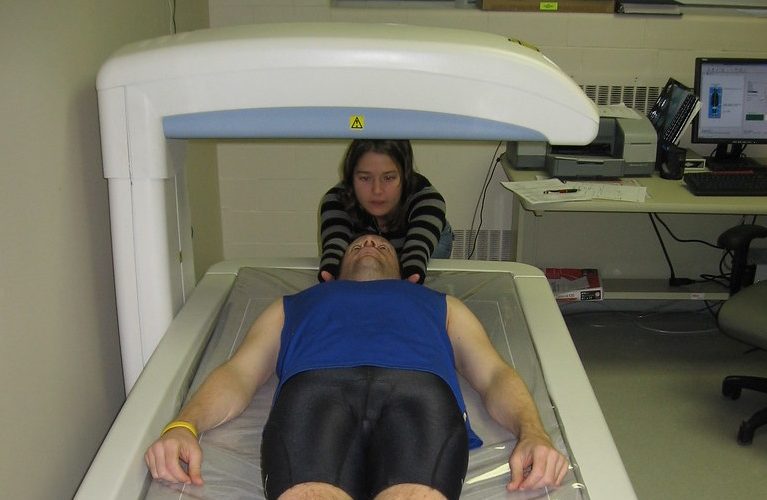
The study’s primary endpoints were the absolute changes in bone mineral density from baseline to week 48 at three anatomically and clinically distinct sites: the femoral neck, the total hip, and the lumbar spine. These sites were measured with dual-energy X-ray absorptiometry, the standard technique for quantifying bone density, and the researchers used analysis of covariance with multivariable adjustment to compare outcomes between groups.
Read the full news story here.
Source : Bioengineer.org
Related HIV and Co-Infections News
Get involved
Are you living with HIV/AIDS? Are you part of a community affected by HIV/AIDS and co-infections? Do you work or volunteer in the field? Are you motivated by our cause and interested to support our work?
Subscribe
Stay in the loop and get all the important EATG updates in your inbox with the EATG newsletter. The HIV & co-infections bulletin is your source of handpicked news from the field arriving regularly to your inbox.