
EATG endorses NGO Delegation to the UNAIDS PCB’s letter addressed to the President of the United Nations General Assembly regarding the process leading to the 2026 High-Level Meeting on HIV/AIDS.
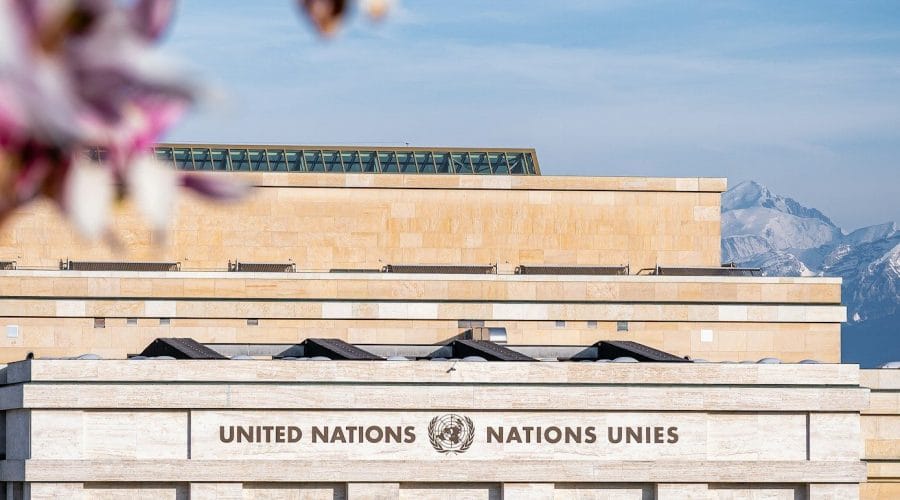
Civil society organizations, networks, and communities across all regions are invited to endorse the attached letter addressed to the President of the United Nations General Assembly regarding the process leading to the 2026 High-Level Meeting on HIV/AIDS.
While we recognise and appreciate the efforts made by UNAIDS and partners to facilitate civil society engagement through the establishment of the Multistakeholder Task Force (MSTF), the current design of the process raises serious concerns. As it stands, the mandate of the MSTF is limited to advisory and programme-related functions — such as shaping the Multistakeholder Hearing and identifying speakers — without a formal role in influencing the drafting of the Political Declaration.
At the same time, the timeline of the process indicates that negotiations on the Political Declaration will be well underway before key civil society spaces, including the Multistakeholder Hearing and other consultation mechanisms, have taken place. This creates a structural gap between participation and decision-making, whereby communities are consulted but not meaningfully able to influence the outcomes that will ultimately shape the global HIV response.
In a context where civil society organizations are operating under increasing constraints — including shrinking funding, intensified political pressures, and limited capacity — it is essential that engagement mechanisms are not only inclusive in appearance, but effective in practice. This means prioritising processes that enable timely, coordinated, and substantive input into the Political Declaration, rather than investing scarce resources in parallel activities that may have limited impact on negotiated outcomes.
The attached letter calls for a strengthened and more meaningful role for the MSTF, including its recognition as a formal channel for consolidated civil society inputs into the drafting of the Political Declaration, as well as the establishment of structured opportunities for engagement with Member States throughout the negotiation process.
We invite organizations and networks to further disseminate and endorse this statement in order to collectively advocate for a process that ensures that the voices of communities most affected by HIV are not only heard, but reflected in the commitments adopted by Member States.
No Tokenism: A Call for Meaningful Civil Society Influence in the 2026 HIV Political Declaration
Madam President of the General Assembly,
We, as civil society and members of the NGO Delegation to the UNAIDS Programme Coordinating Board, acknowledge the efforts made to establish the Multistakeholder Task Force (MSTF) and to facilitate engagement of people living with and affected by HIV and wider civil society in the upcoming High Level Meeting on AIDS, through the Multi-Stakeholder Hearing (MSH) and other consultation spaces.
It is in this context that we must be candid in raising a critical concern: the current process risks reducing community and civil society participation to tokenistic involvement rather than enabling meaningful engagement.
Based on the current timeline, the Political Declaration will be drafted and negotiated by Member States in May, ahead of the High-Level Meeting in June . This means that key civil society processes, including the Multi-Stakeholder Hearing, the Civil Society Declaration, and the proposed advocacy week, will take place after or alongside negotiations that are already well underway, with limited opportunity to substantively influence the outcome. As it stands, these spaces risk becoming platforms for visibility rather than influence, and may not represent the best use of already limited civil society time, energy, and resources.
While the Multistakeholder Task Force (MSTF) is presented as a mechanism to ensure an open and participatory process, its mandate cannot be merely advisory. It has to move beyond shaping the Multi-Stakeholder Hearing, identifying speakers, and supporting civil society engagement in HLM events, to directly influencing the drafting of the Political Declaration . This creates a structural gap between participation and decision-making.
It is our position as the NGO Delegation to the UNAIDS Board and Civil Society that the MSTF processes require thoughtful planning to ensure that the Task Force role is genuinely meaningful. In this vein, we request that the MSTF is treated not only as a rubber stamp (along with the Multi-Stakeholder Hearing and HLM sessions), but is formally recognised as the collective channel for community and civil society inputs into the drafting of the Political Declaration.
We therefore call for the following to be explicitly reflected in the HLM processes:
- The formal recognition of the MSTF as a mechanism to channel consolidated civil society inputs into the drafting of the Political Declaration, including the submission of feedback and proposed language on successive drafts to the co-facilitators;
- The formal acknowledgment of MSTF inputs within the intergovernmental negotiation process, with transparent reflection of these contributions in draft iterations of the Political Declaration;
- The explicit inclusion of this role within the modalities resolution, to ensure that civil society engagement is institutionalized rather than discretionary;
- The establishment of structured and timely opportunities for direct interaction between the MSTF and Member States during the negotiation phase, including at key stages of the drafting process.
We underscore that prioritizing direct engagement with the Political Declaration process is essential. Efforts and resources should be focused on shaping the content of the declaration itself, guided by priorities emerging from the Multi-Stakeholder Hearing, rather than on parallel outputs that may have limited influence on negotiated outcomes.
Your Excellency, at a critical moment for the global HIV response, it is imperative that the voices of communities most affected by HIV are not only heard, but meaningfully reflected in the commitments adopted by Member States.
We urge your leadership in ensuring that these measures are taken forward, so that the 2026 High-Level Meeting delivers outcomes that are inclusive, credible, and grounded in the realities of the communities it seeks to serve.
We thank you for your attention and remain available for continued engagement.
Respectfully,
Civil society organizations and networks
To add your organization’s endorsement, please click the link here (DEADLINE: 30 March 2026)
ABOUT
The Programme Coordinating Board (PCB) was created to serve as the governing body of UNAIDS. The PCB includes a Nongovernmental Organization (NGO) Delegation composed of five members and five alternates that represent five geographic regions: Africa, Asia and the Pacific, Europe, Latin America and the Caribbean, and North America.
Source : UNAIDS PCB NGO Delegation
Related Endorsements and Sign-ons
-
Formal Position of the NGO Delegation to the UNAIDS Programme Coordinating Board on the Future of UNAIDS
-
EU4Health Civil Society Alliance: Civil society stands together for sustainable funding for health civil society
-
Joint Letter | Prioritising Better Health for All Europeans: A Call from the Health Community
Get involved
Are you living with HIV/AIDS? Are you part of a community affected by HIV/AIDS and co-infections? Do you work or volunteer in the field? Are you motivated by our cause and interested to support our work?
Subscribe
Stay in the loop and get all the important EATG updates in your inbox with the EATG newsletter. The HIV & co-infections bulletin is your source of handpicked news from the field arriving regularly to your inbox.