
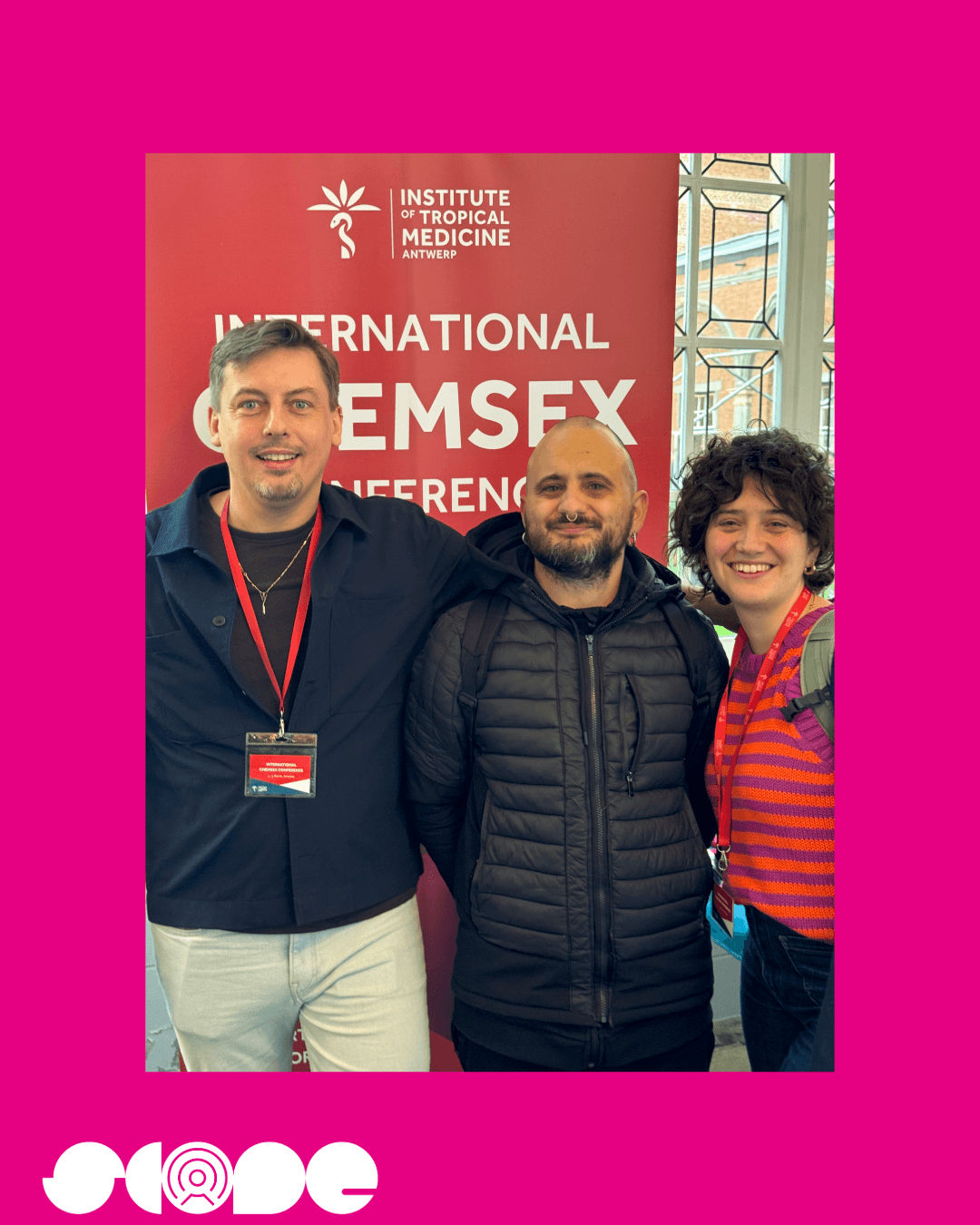
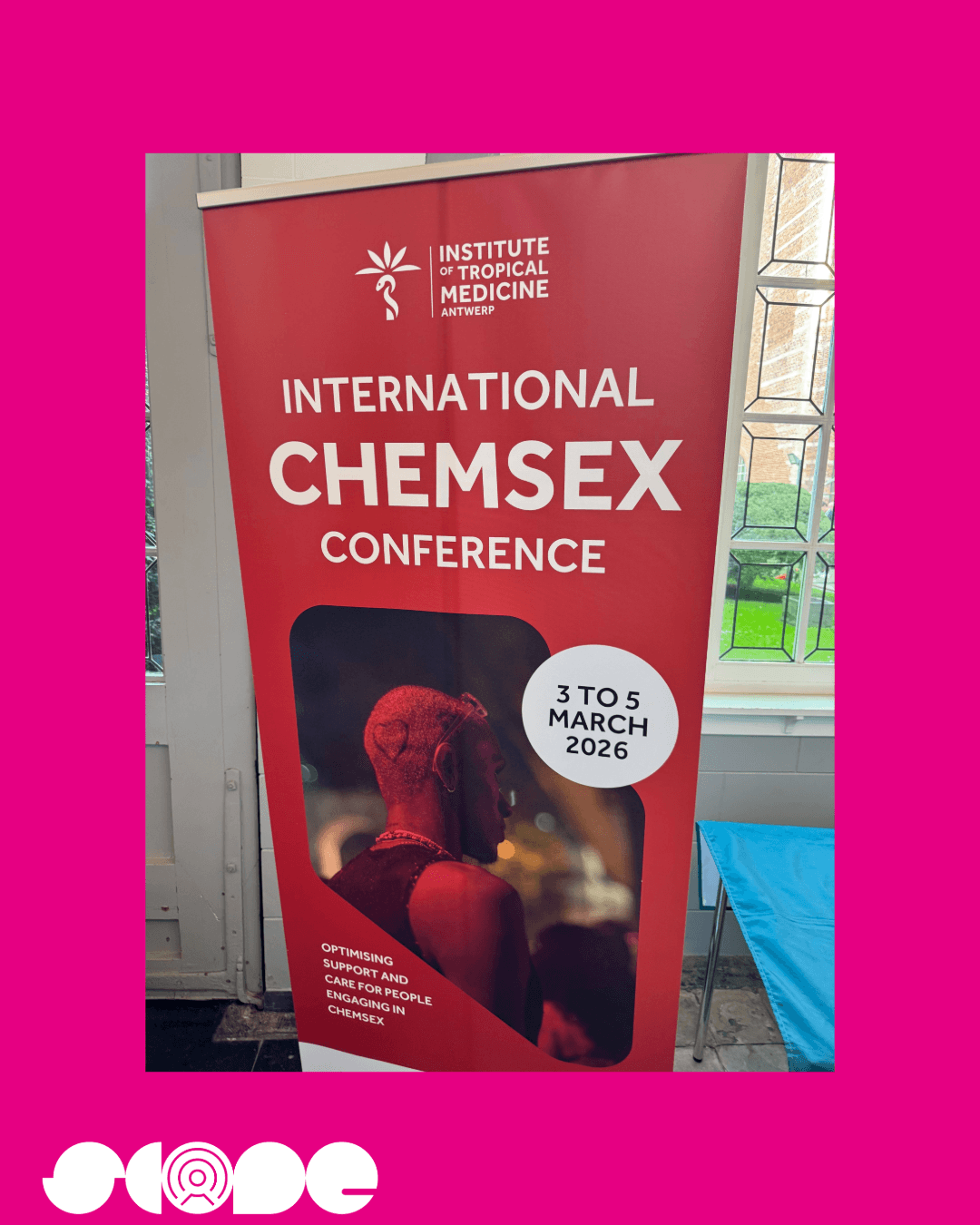
At the beginning of March, within the SCOPE project, we had the privilege to attend the International chemsex conference in Antwerp, Belgium. It was hosted by the Institute of Tropical Medicine, and the speakers were not just academics and clinicians: the floor was given to community members too.
The collaboration between institutions and community was so strong and clear that the conference organised a guided visit to Darklands, one of the most famous fetish fairs in the world that was happening in Antwerp in those days. Darklands created a special booth on kinky responsibility to inform attendees about HIV combination preventions, chemsex and harm reduction.
Read below what are our takeaways from the conference and what we are taking back to our communities in our home countries: Italy and Poland.
To Prevent Chemsex from Becoming a Problem, We Need to Rethink the Way We Socialise: Considerations from the International Chemsex Conference and Darklands
by Marco Stizioli
After all, the conference was cool, but I think it is important to highlight a couple of critical issues that occurred to me while I was there, sitting in the chair listening to the experts.
Less networking, more relationship
As many other conferences, also in this one there were many coffee breaks to relax, small talk, and networking. The unspoken goal was to get a job as a chemsex counselor, researcher, secure funding, and start new collaborations.
And I guess this is the problem. If you are shy, if you are not good enough to sell yourself, if your English is not good, you are cut off from all this. Maybe it’s time to rethink the way we organise conferences. Less frontal lectures, more small group workshops to give everyone the opportunity to learn, express and exchange opinions, and create real relationships.
Darklands: community or currency?
The visit was cool and our guide was really nice. I also took part in the fair itself: if you are into kinky, it’s like a paradise. But it was also incredibly expensive. There is a clear hierarchy: the more you pay, the more access and “status” you have. From the gear you wear to the parties you can afford, the pressure to “be enough” was constant.
Safer enough to be ourselves
There is a direct link between these observations. Whether it is the professional pressure at a conference or the financial/aesthetic pressure at a festival like Darklands, we are constantly asking gay, bisexual and other men who have sex with men to perform. We are expected to be the most articulate, the most connected, the most “kinky,” and the most successful.
We know that chemsex is not always problematic, but this fear of not being enough is one of the silent drivers of it, for sure.
I don’t have a solution, but I have a suggestion: we should start by looking in the mirror. We need to look at the way we organise our events and the way we interact with each other. In our community, do we really care about people, or do we only care about social status?
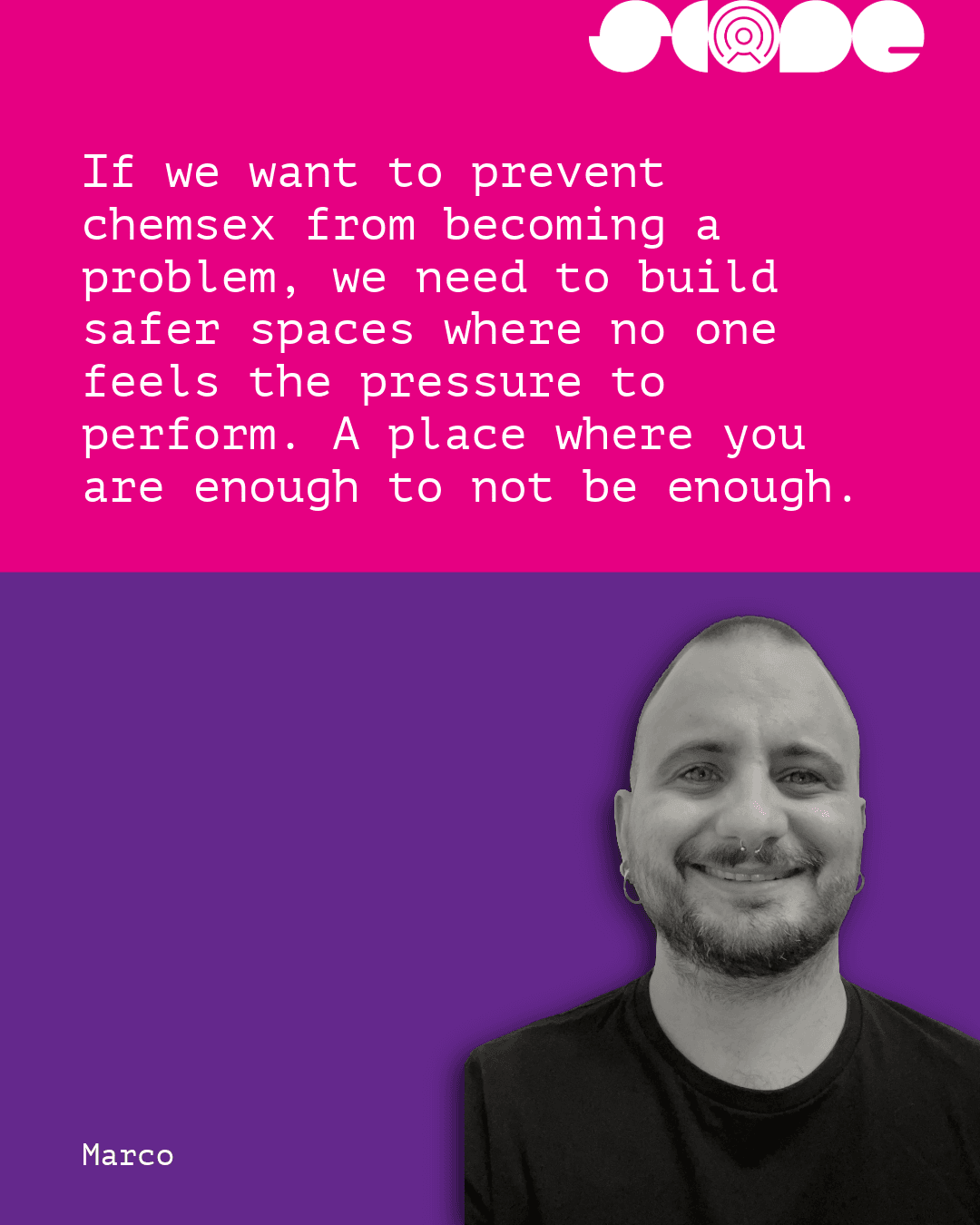
If we want to prevent chemsex from becoming a problem, we need to build safer spaces where no one feels the pressure to perform. A place where you are enough to not be enough.
From Individual Struggle and Pleasure to Collective Understanding: Chemsex in Context
by Michał Muskała
As a cognitive-behavioural and addiction psychotherapist and the only Polish participant it was both a professional and personal opportunity to learn from international experiences and to bring this knowledge back to my daily work with people who use chemsex in a problematic way or struggle with chemsex-related addiction.
One of the most striking aspects of the event was the atmosphere. From the very beginning, the organisers created a welcoming and open environment that encouraged dialogue and reflection. We attended presentations, but we also had time for conversations and exchange experiences.
The size of the conference played an important role. With nearly 250 participants, it was a truly international gathering, yet still small enough to maintain a sense of continuity and shared experience. Instead of having many competing sessions, we attended the same talks, which allowed discussions to develop collectively across the room. This format created a sense that we were learning together rather than attending separate parallel events.
One of the important reflections shared during the conference concerned the ambiguity of chemsex. Many behaviours that bring harm can also provide something meaningful or helpful at the same time. Chemsex may offer connection, intense pleasure, confidence, or temporary escape from difficult emotions. Recognising this ambivalence is essential for anyone working in the field. If services focus only on the negative aspects and ignore what people value about the experience, it becomes harder to support meaningful change.
This idea is closely connected to approaches such as motivational interviewing, which were frequently mentioned during the conference. Instead of starting from judgment or prohibition, practitioners try to understand what people gain from their behaviour. Conversations often begin with a simple but powerful question: “What do you get out of this?” Understanding the benefits someone perceives is a key step in helping them reflect on whether those benefits still outweigh the costs.
At the same time, several speakers emphasised that vulnerability to harms associated with chemsex is not evenly distributed. Social and structural factors can increase people’s vulnerability. Experiences such as racism, migration stress, loneliness, body image struggles (including intra-minority stigma, which is increasingly discussed in the context of MSM communities), or gender dysphoria can shape how individuals navigate sexual and social environments. These broader conditions may also influence why chemsex becomes attractive as a way of coping or connecting.
There was also reflection on who was present at the conference in terms of representation, as well as who was missing, highlighting important gaps and inequalities within the field.
I took a more critical stance toward one element of the conference programme – namely, the pre-recorded testimony about chemsex-related difficulties, which was presented on the final day. Throughout the event, we were surrounded by courageous individuals speaking in their own voices about complex and often painful life experiences. Many shared their stories openly on stage, as well as in informal conversations. In this context, a pre-prepared and professionally recorded testimony performed by an actor felt unnecessary. It also did not allow for interaction or reflection in the same way that live, personal contributions did.
The Antwerp conference clearly demonstrated how valuable international collaboration is in addressing such complex issues. Bringing together people from different countries – including perspectives from the United States, France, Germany and the United Kingdom – allowed us to compare experiences, learn about innovative approaches, and reflect on both successes and ongoing challenges. One particularly heartbreaking piece of news shared during the conference was that Mainline organization in the Netherlands will soon cease to exist.
For me personally, participating in the conference was both a learning and networking experience (especially with the Italian faction <3). The knowledge, reflections, and practical ideas shared during the event will be directly useful in my everyday work.
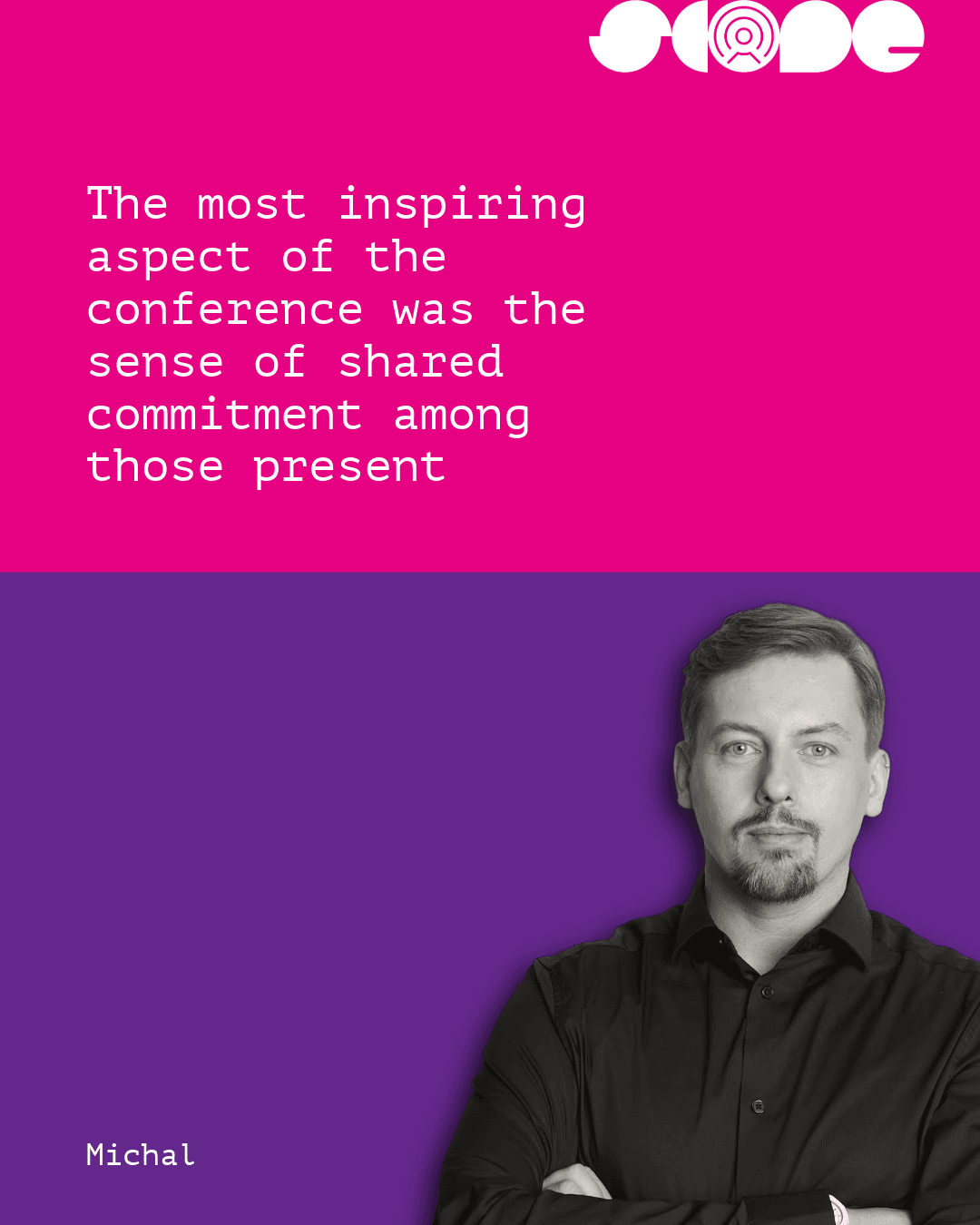
Perhaps the most inspiring aspect of the conference was the sense of shared commitment among those present. Us – researchers, psychotherapists, clinicians, community workers and activists demonstrated not only professional expertise, but also empathy, curiosity and a genuine willingness to learn from one another.
Authors
Marco Stizioli, Brescia Checkpoint
Michał Muskala, Social AIDS Committee
EATG’s SCOPE project aims to strengthen the skills and knowledge of community health workers, advocates and researchers in the field of HIV combination prevention. It focuses on communities that are inadequately served by policies and programmes.
The SCOPE project has been developed by the EATG and was made possible through a grant from ViiV Healthcare Europe Ltd.

Related Blogs
Get involved
Are you living with HIV/AIDS? Are you part of a community affected by HIV/AIDS and co-infections? Do you work or volunteer in the field? Are you motivated by our cause and interested to support our work?
Subscribe
Stay in the loop and get all the important EATG updates in your inbox with the EATG newsletter. The HIV & co-infections bulletin is your source of handpicked news from the field arriving regularly to your inbox.