
Columbia University Mailman School of Public Health press release
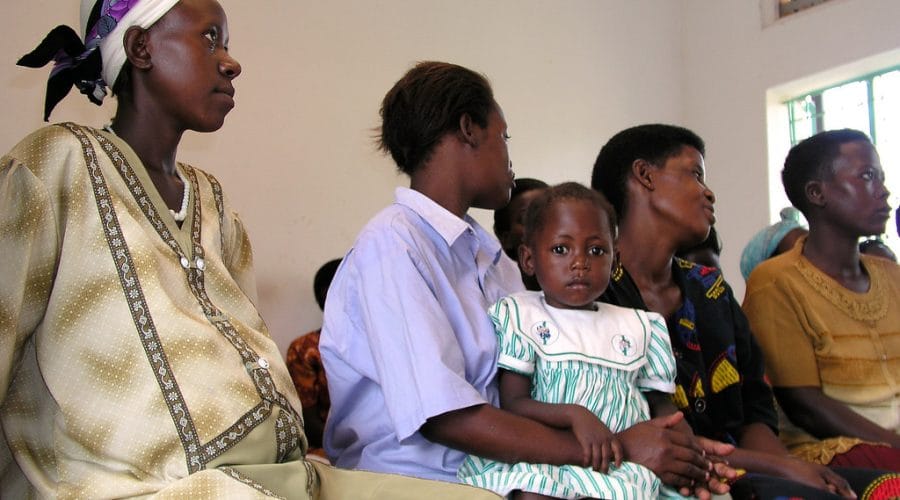
The scale-up of HIV treatment and prevention programs has led to remarkable declines in orphanhood rates in Rakai, Uganda, according to a new study at Columbia University Mailman School of Public Health. Antiretroviral therapy availability has been the primary driver of these improvements, underscoring the critical importance of sustained investment in HIV programs. Findings from the study, “Incidence and prevalence of orphanhood in Rakai, Uganda: a population-based cohort study, 1995–2022” are published in The Lancet Global Health.
Using data from the Rakai Community Cohort Study (RCCS), one of the largest community cohort studies in sub-Saharan Africa, the research tracked 92,441 children and adolescents under age 18 years in 28 continuously surveyed communities from 1995 to 2022 to advance understanding of orphanhood trends in the context of evolving HIV programs.
Read the full press release here.
Related HIV and Co-Infections News
Get involved
Are you living with HIV/AIDS? Are you part of a community affected by HIV/AIDS and co-infections? Do you work or volunteer in the field? Are you motivated by our cause and interested to support our work?
Subscribe
Stay in the loop and get all the important EATG updates in your inbox with the EATG newsletter. The HIV & co-infections bulletin is your source of handpicked news from the field arriving regularly to your inbox.