
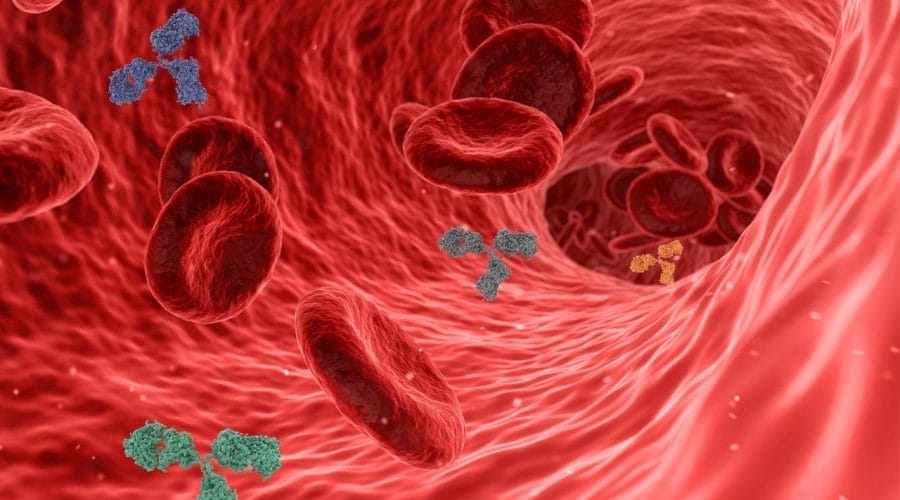
Researchers from the Institute of Human Virology (IHV) at the University of Maryland School of Medicine have discovered how a specific type of immune cell may contribute to the persistence of HIV infections. The finding offers new insight into why the virus remains difficult to cure even with effective antiretroviral therapy.
The study was published earlier this month in Science Translational Medicine.
The researchers focused on plasmacytoid dendritic cells (pDCs)—a rare immune cell type crucial in the body’s early defense against viruses. During chronic HIV infection, these cells become overactivated, driving continuous immune inflammation. This constant activation weakens virus-fighting T cells and allows HIV to persist in hidden reservoirs.
Read the full news story here.
Related HIV and Co-Infections News
Get involved
Are you living with HIV/AIDS? Are you part of a community affected by HIV/AIDS and co-infections? Do you work or volunteer in the field? Are you motivated by our cause and interested to support our work?
Subscribe
Stay in the loop and get all the important EATG updates in your inbox with the EATG newsletter. The HIV & co-infections bulletin is your source of handpicked news from the field arriving regularly to your inbox.