
Compared with other antiretroviral treatments, dolutegravir leads to a more balanced microbiome, similar to that of people without HIV, with lower inflammation and reduced immune system activation.
IrsiCaixa press release
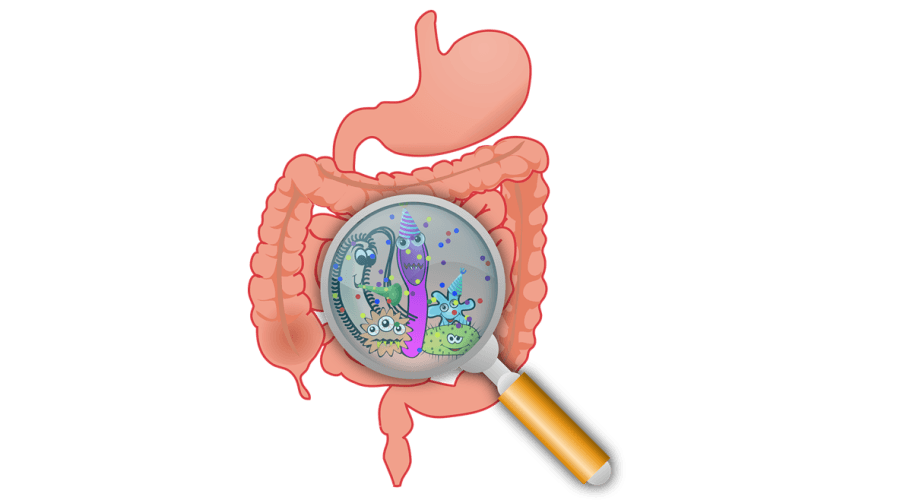
Nearly 50% of HIV diagnoses are made at advanced stages of infection, a time when the immune system is already compromised and the gut microbiome, made up of the millions of bacteria that inhabit the intestine, is altered as a result of the virus. Now, the journal Nature Communications publishes a study led by IrsiCaixa – a center jointly promoted by the “la Caixa” Foundation and the Department of Health of the Government of Catalonia– showing that initiating antiretroviral treatment with dolutegravir improves the gut microbiome in people diagnosed late with HIV. This improvement is associated with reduced inflammation and lower immune system activation, making the gut microbiome more similar to that of a person without HIV.
The study results indicate that not all antiretroviral treatments have the same impact on intestinal health and that the choice of therapeutic regimen may influence chronic inflammation and the future health of people with HIV. The study reinforces the importance of considering the gut microbiome as a key element in the comprehensive management of HIV and of moving towards a more complete recovery after advanced infection.
Read the full press release here.
Source : IrsiCaixa
Related HIV and Co-Infections News
Get involved
Are you living with HIV/AIDS? Are you part of a community affected by HIV/AIDS and co-infections? Do you work or volunteer in the field? Are you motivated by our cause and interested to support our work?
Subscribe
Stay in the loop and get all the important EATG updates in your inbox with the EATG newsletter. The HIV & co-infections bulletin is your source of handpicked news from the field arriving regularly to your inbox.