
SciDev.Net news story
A mass drug campaign targeting a tropical parasitic worm infection in southwest Tanzania produced an unexpected result: a decline in new HIV infections.
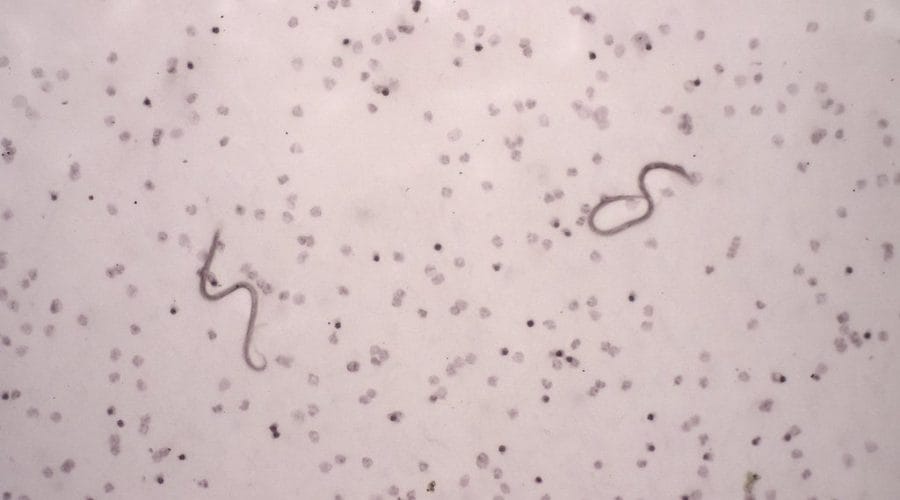
Researchers say their findings suggest that eliminating Wuchereria bancrofti, the parasitic worm responsible for lymphatic filariasis, commonly known as elephantiasis, could also reduce vulnerability to HIV.
However, a year on from publication, they say little has been done to incorporate lymphatic filariasis elimination into HIV prevention strategies.
The study, published in The Lancet HIV in May 2025, included researchers from LMU University Hospital in Munich, Germany and the National Institute for Medical Research, in Mbeya, Tanzania.
It is now raising questions about whether parasite treatment should play a bigger role in HIV prevention strategies across Sub-Saharan Africa, with some public health experts suggesting it could be added to existing HIV prevention toolkits.
Read the full news story here.
Source : SciDev.Net
Related HIV and Co-Infections News
-
[Call to action] AVAC | No time to lose: Reaching at least three million with LEN for PrEP by 2027
-
TheBodyPro | What to know about hepatitis B when switching to tenofovir-sparing antiretroviral regimens
-
Wits University | HIV finds escape routes from preventive antibody – but newer antibodies may close them
Get involved
Are you living with HIV/AIDS? Are you part of a community affected by HIV/AIDS and co-infections? Do you work or volunteer in the field? Are you motivated by our cause and interested to support our work?
Subscribe
Stay in the loop and get all the important EATG updates in your inbox with the EATG newsletter. The HIV & co-infections bulletin is your source of handpicked news from the field arriving regularly to your inbox.