
Tulane University news release
For many people living with HIV, today’s treatments can suppress the virus and dramatically improve health. But even when HIV is controlled, damage to the gut caused by the disease can persist, fueling chronic inflammation linked to serious health problems. A new Tulane University study published in JCI Insight helps explains why.
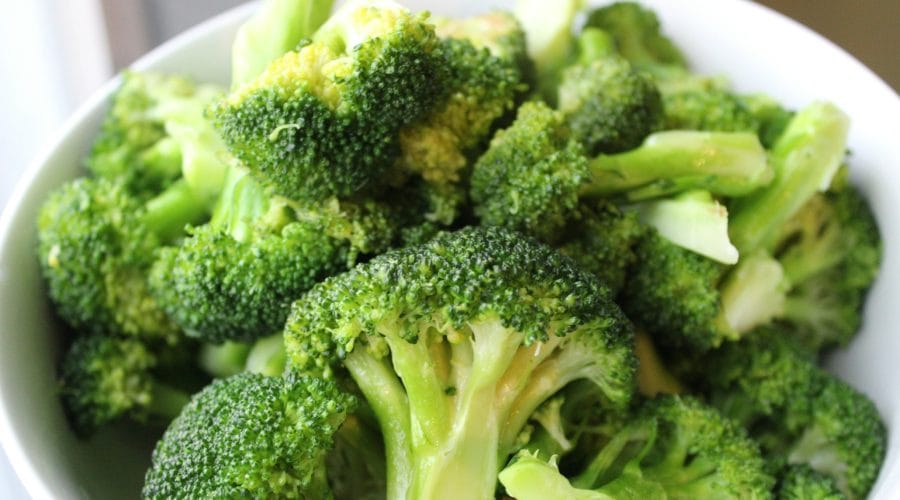
Researchers found that long-term antiretroviral treatments did not fully restore key immune functions that protect and repair the gut lining. The study also found early evidence that diet-derived compounds found in vegetables from the mustard family, such as broccoli and cabbage, may help support immune activity involved in gut repair.
Read the full news release here.
Source : Tulane University
Related HIV and Co-Infections News
Get involved
Are you living with HIV/AIDS? Are you part of a community affected by HIV/AIDS and co-infections? Do you work or volunteer in the field? Are you motivated by our cause and interested to support our work?
Subscribe
Stay in the loop and get all the important EATG updates in your inbox with the EATG newsletter. The HIV & co-infections bulletin is your source of handpicked news from the field arriving regularly to your inbox.